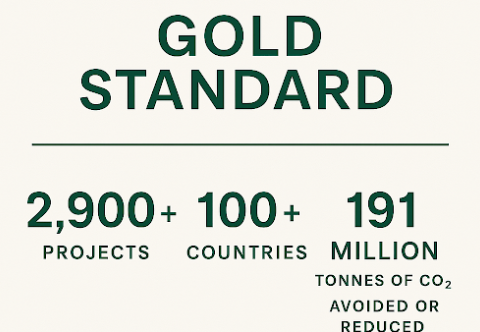
The Voluntary Carbon Market (VCM) has been playing an increasingly important role in the global fight against climate change. As countries and businesses place greater emphasis on carbon neutrality and sustainable ...
Facing growing challenges from climate change, the need to reduce carbon emissions has become urgent for every country and business. In addition to mandatory carbon market mechanisms established by governments, the ...
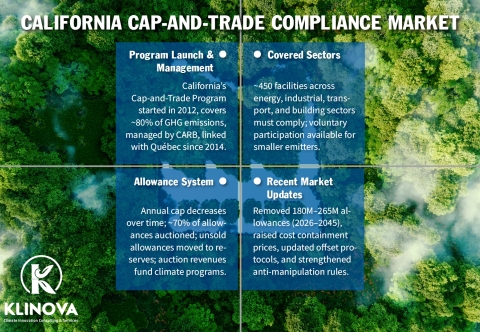
California has established one of the world’s leading compliance carbon markets through its Cap-and-Trade Program. Launched in 2012, the program covers nearly 80% of the state’s greenhouse gas emissions and plays ...
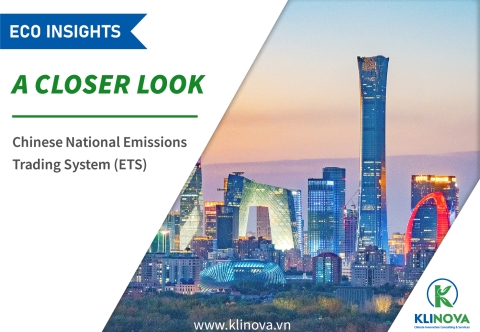
Launched in 2021, China's National Emissions Trading System (ETS) aims to contribute to the effective control and gradual reduction of carbon emissions. It has rapidly become the world’s largest carbon market ...
Europe is a pioneer in establishing and operating carbon and greenhouse gas emission trading markets with the aim of controlling and reducing emissions at the lowest cost. The EU Emissions Trading ...
The carbon market plays a pivotal role in global efforts to mitigate the impacts of climate change. By facilitating the exchange of carbon credits, nations and businesses can achieve their net-zero ...
COP29 has set new standards for the carbon credit market under Article 6 of the Paris Agreement. Here's a basic guide to understanding Article 6 and its benefits for global climate ...
CBAM is the EU's tool to put a fair price on the carbon emissions from certain goods entering the EU. The first phase of the plan focuses on high-emission products like ...
Currently, the legal framework and regulations regarding the carbon market in Vietnam are being continuously refined, with the aim of achieving the national goal of reaching net-zero emissions by 2050.