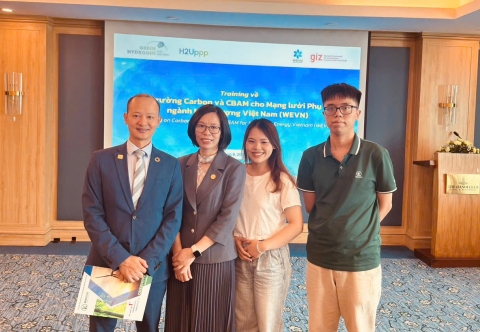
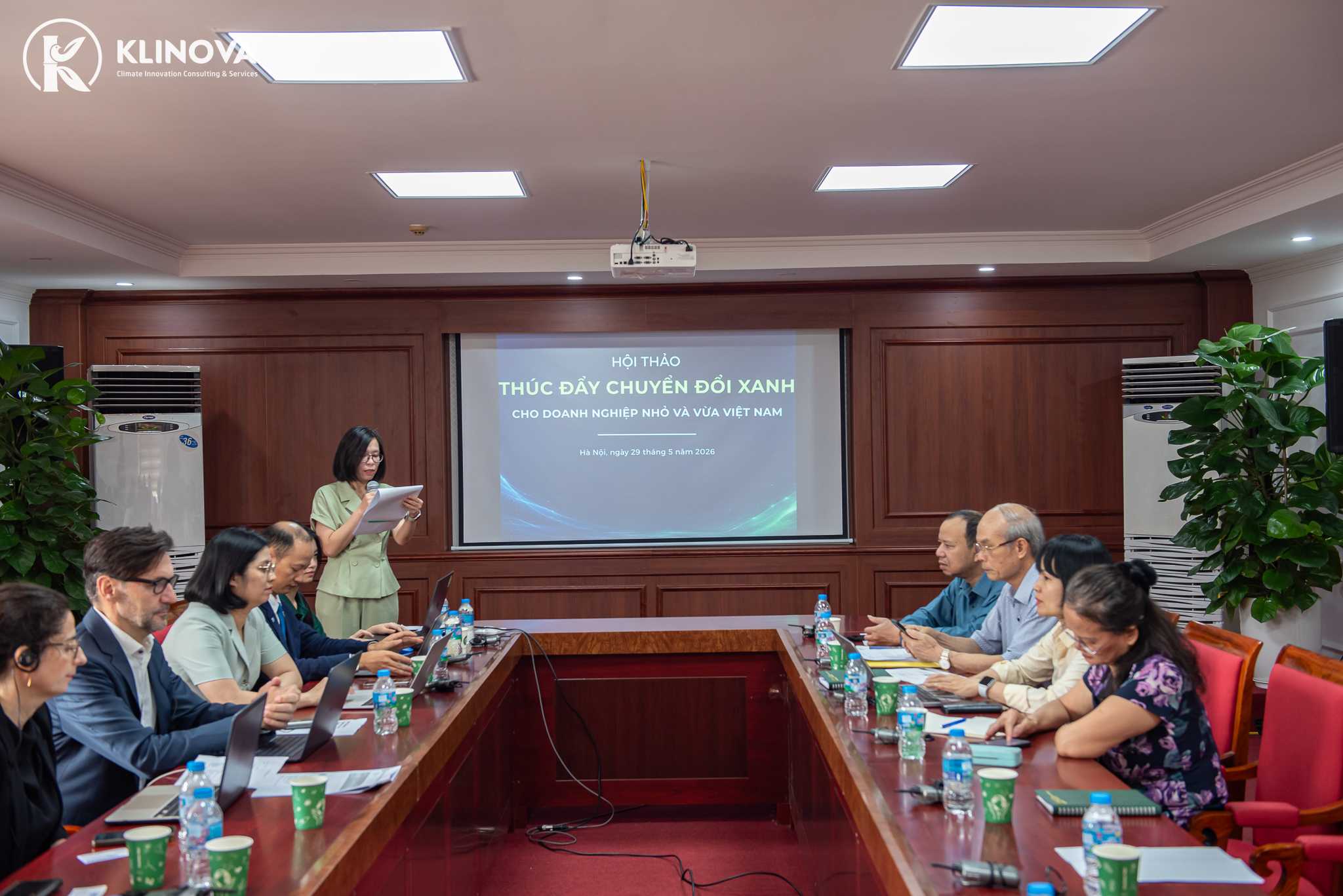
On May 29, 2026, in Hanoi, the workshop “Promoting Green Transition for Small and Medium-Sized Enterprises (SMEs) in Vietnam” was organized by the Agency for Private Enterprise and Collective Economy Development under the Ministry of Finance, bringing together experts from the United Nations Economic and Social Commission for Asia and the Pacific (ESCAP), representatives of government agencies, international organizations, business associations, and the Vietnamese business community.
The workshop also served as a platform to discuss opportunities for developing and implementing the Green Growth Toolkit in Vietnam.
The event took place against the backdrop of Vietnam accelerating its green growth agenda, sustainable business development policies, and commitments toward achieving Net Zero emissions. At the same time, SMEs - which account for approximately 98% of all businesses in the country - are increasingly facing new market requirements related to ESG, traceability, emissions reduction, supply chain transparency, and sustainability standards.
As a supporting partner of the event, KLINOVA contributed to the expert team responsible for adapting the Green Growth Toolkit to the Vietnamese context. During the workshop, Dr. Nguyen Phuong Nam, CEO of KLINOVA and Green Growth Advisor for Vietnam under the programme, presented approaches to localizing the toolkit, including integrating new policy developments, identifying priority sectors, and strengthening the ecosystem supporting businesses in their green transition journey.
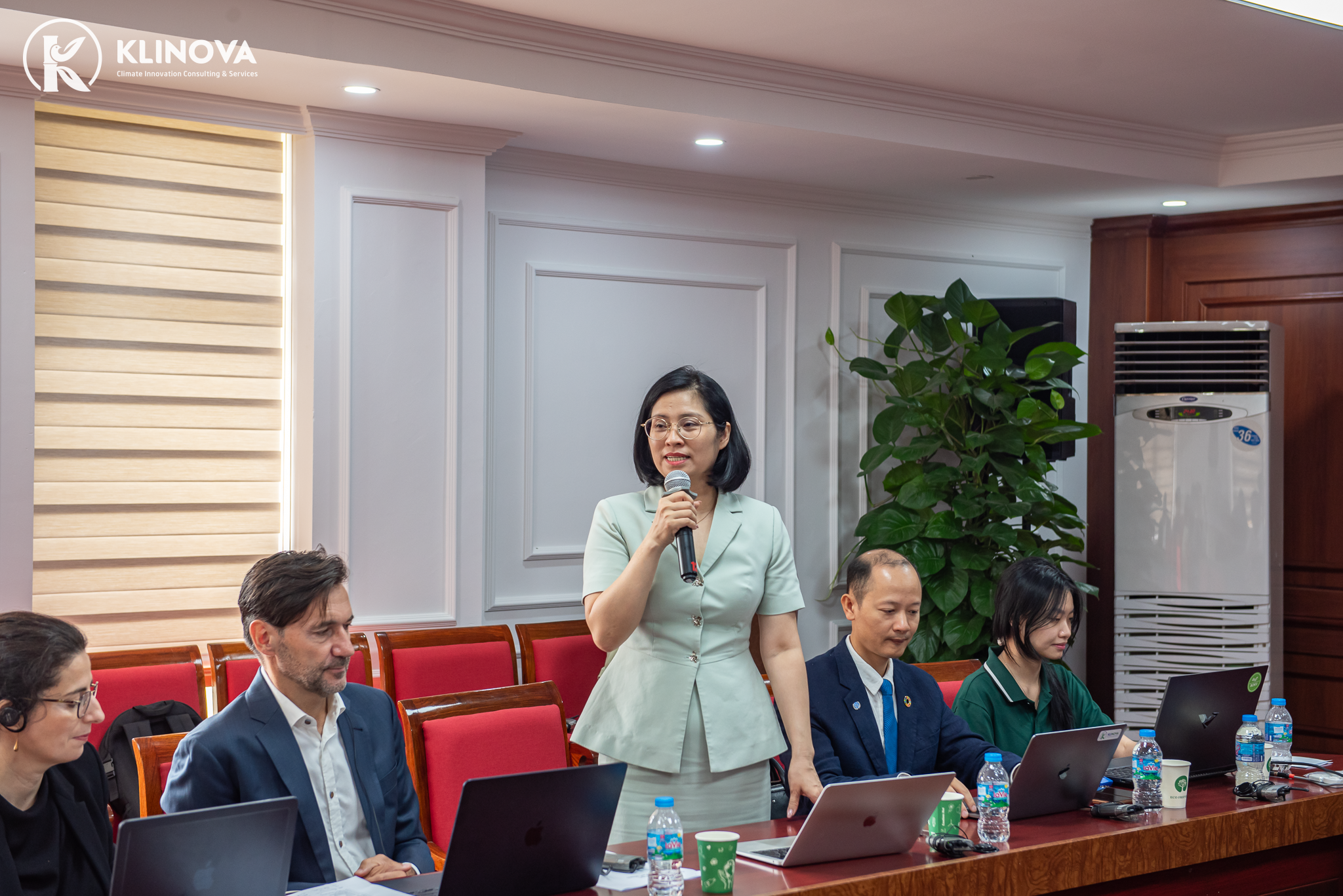
During the workshop, ESCAP experts introduced the Green Growth Programme and the SME Green Growth Coaching Toolkit, which has been developed and piloted across several Southeast Asian countries. The toolkit is designed to support intermediary organizations and coaches in guiding SMEs through a practical, accessible, and structured green transition process tailored to their capabilities and needs.
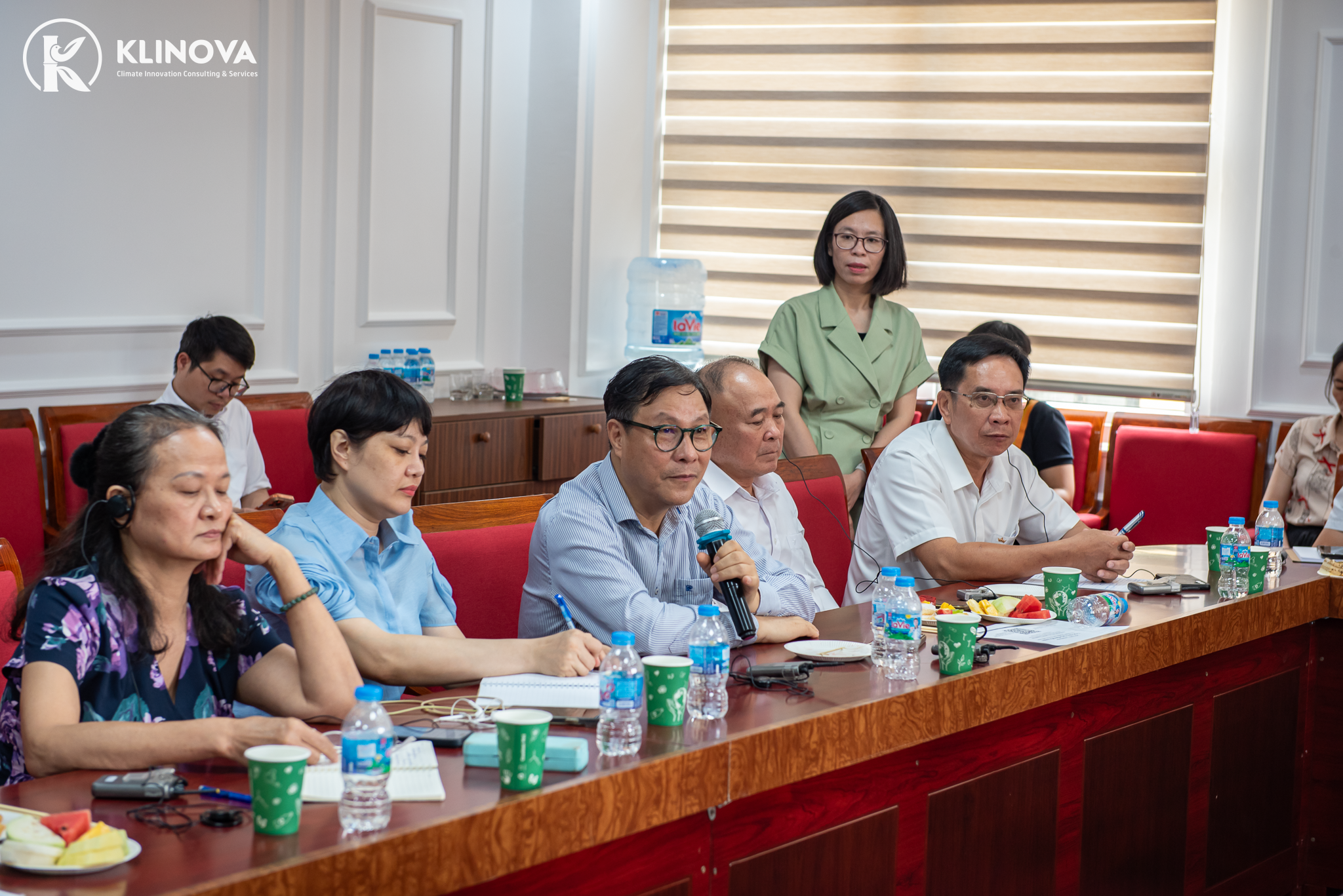
One of the most engaging parts of the workshop was the discussion on how the toolkit could be adapted to Vietnam’s realities and how greater business participation in the green transition could be encouraged. Representatives from government agencies, business associations, business support organizations, and the private sector shared their experiences, challenges, and expectations regarding ESG implementation.
Many participants noted that ESG remains a relatively distant concept for many SMEs. While sustainability-related requirements from customers, markets, and supply chains continue to increase, many businesses are still struggling to understand what ESG means in practice, where to begin, and how to translate these expectations into concrete actions that align with their resources and capacities.
Access to finance was another issue that attracted significant attention. Participants discussed the need for additional support mechanisms, green financing opportunities, and capacity-building programmes to help SMEs strengthen awareness, build data systems, and gradually develop ESG reporting practices. These were identified as critical conditions for enabling SMEs to participate more effectively in the green transition.
The discussions also highlighted the persistent challenges facing Vietnamese SMEs, including limited ESG capacity, difficulties in data collection and reporting, restricted access to green finance, and a lack of awareness of emerging business opportunities associated with sustainable transformation. Participants further observed that while numerous support programmes and tools already exist, the fragmentation and overlap among initiatives often make it difficult for businesses to identify and access the most suitable solutions.
Notably, the workshop generated several practical proposals aimed at making ESG more accessible to businesses. Among them was the idea of developing sector-specific ESG standards or guidance frameworks that reflect the unique characteristics and requirements of different industries, rather than applying a one-size-fits-all approach. Such an initiative was widely seen as an important step toward making ESG more practical, understandable, and actionable for SMEs.
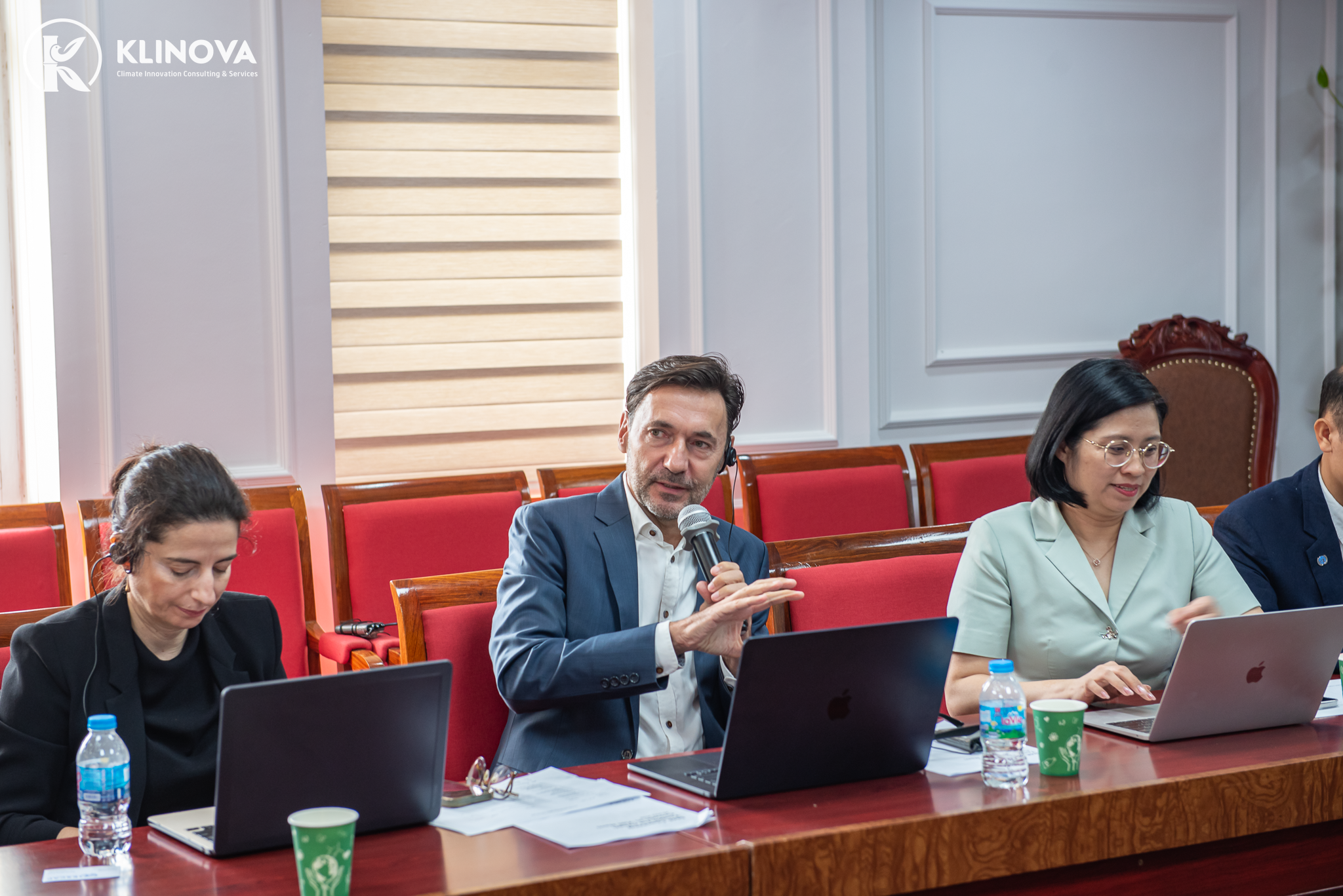
Another proposal that received strong support was the development of Training of Trainers (ToT) programmes tailored to specific sectors. Participants emphasized that while the fundamental principles of ESG and green transition may be similar, businesses operating in manufacturing, agriculture, construction, or services face distinct challenges and opportunities. Sector-specific training programmes would therefore help ensure greater relevance and effectiveness in supporting businesses throughout their sustainability journey.
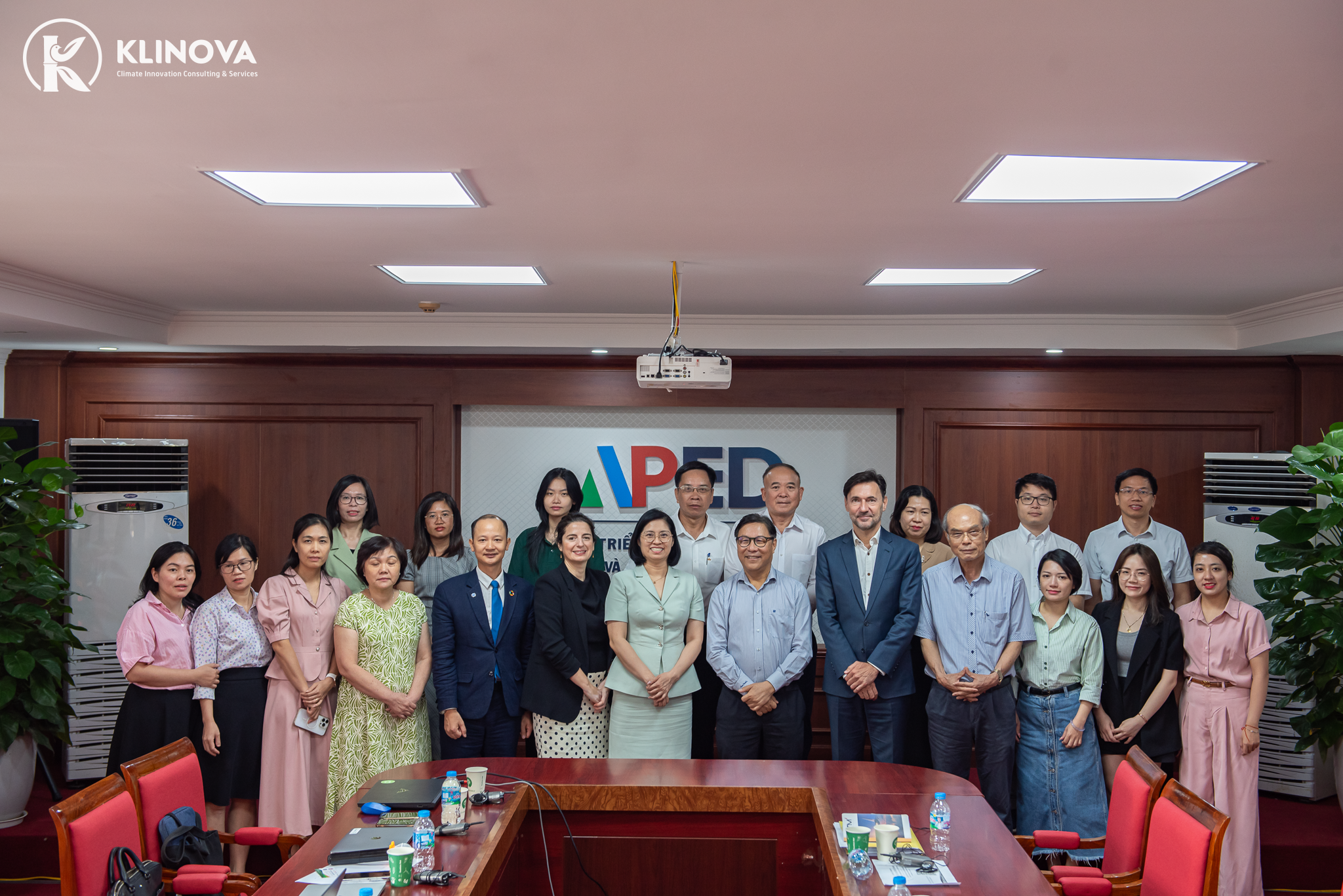
The workshop ultimately conveyed a clear message: green transition and ESG are no longer issues of the future but immediate business priorities for Vietnamese enterprises. However, turning these concepts into meaningful action will require practical tools, accessible roadmaps, financial and technical support, and training programmes tailored to the realities of different industries. The open and constructive discussions held during the workshop not only highlighted the challenges facing SMEs but also generated new ideas and collaborative opportunities to accelerate the adoption of ESG and green transition practices across Vietnam’s business community.
- Huu Hoang -


_cr_480x332.jpg)
_cr_480x332.JPG)