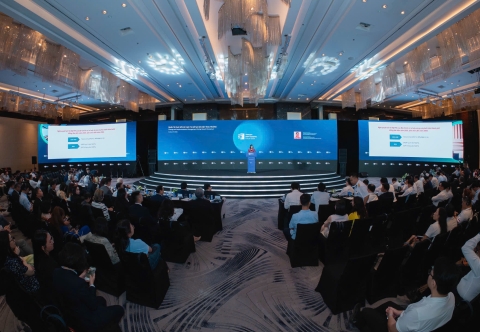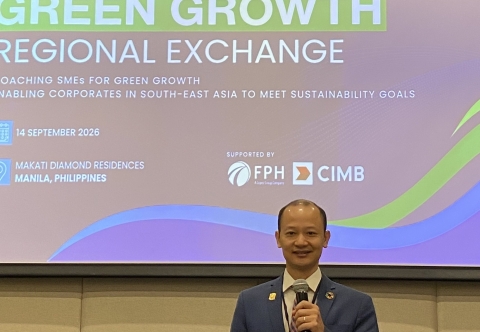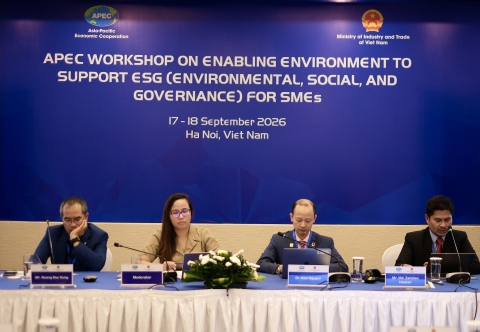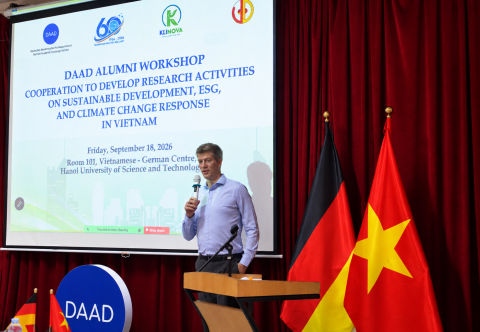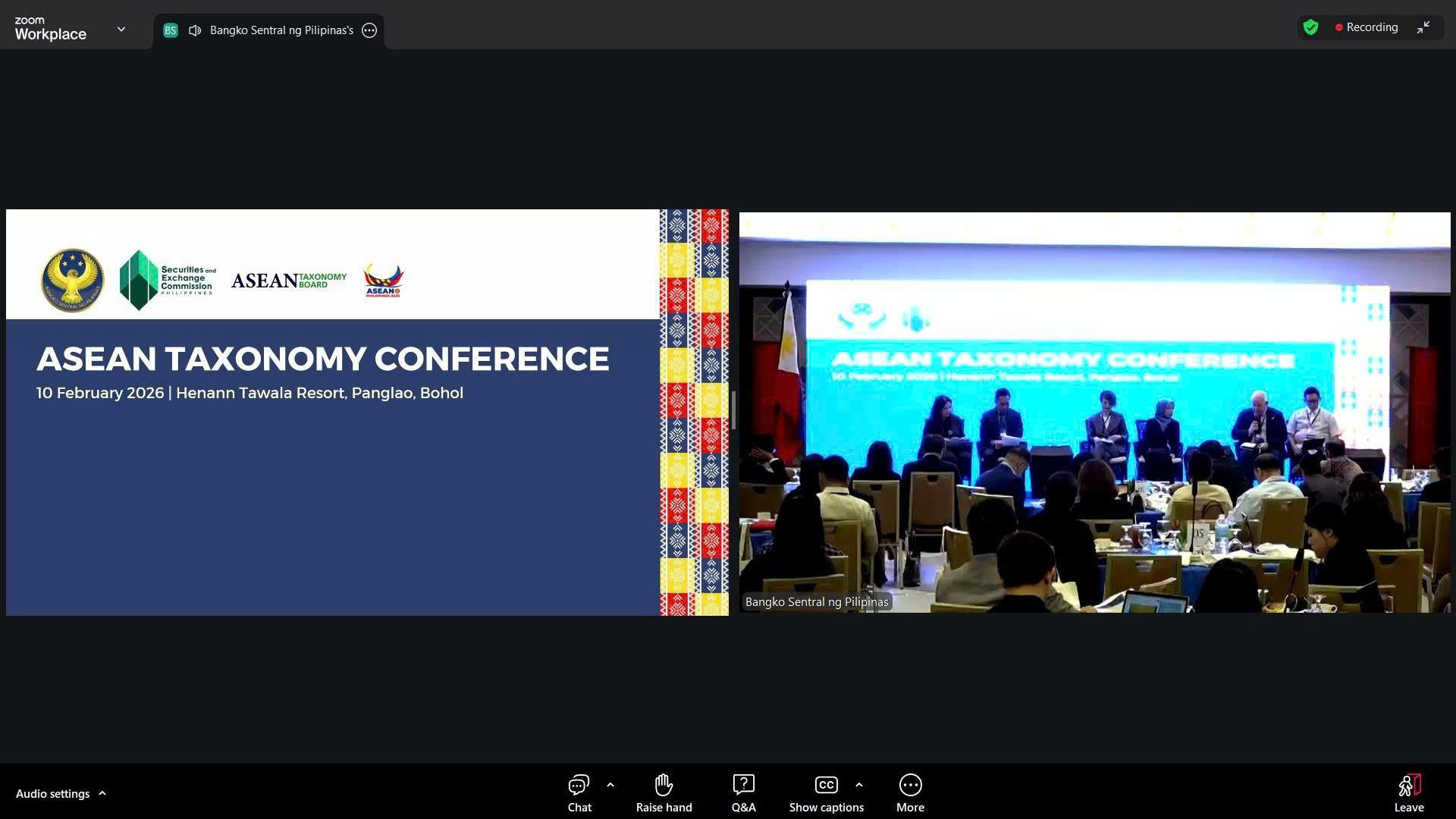
One of the most significant bottlenecks today is the gap between government climate commitments and investors' willingness to allocate capital. With an estimated annual financing need of $129 billion for climate adaptation in the ASEAN region, the conference introduced the MARS framework (currently under development) and the ACCEPT platform. These are pivotal tools designed to standardize resilience metrics, reduce ambiguity in risk assessments, and enable financial institutions to seamlessly integrate sustainability criteria into traditional credit approval processes.
A notable highlight of the ASEAN Taxonomy is its pioneering application of the "Amber" (transition) category. Experts emphasized that the shift from high-emission to low-emission activities cannot happen overnight. Recognizing this transition category allows businesses to adopt a flexible and realistic decarbonization roadmap while maintaining transparency. This is particularly crucial for developing economies in the region, where balancing economic growth with environmental protection remains a complex challenge.
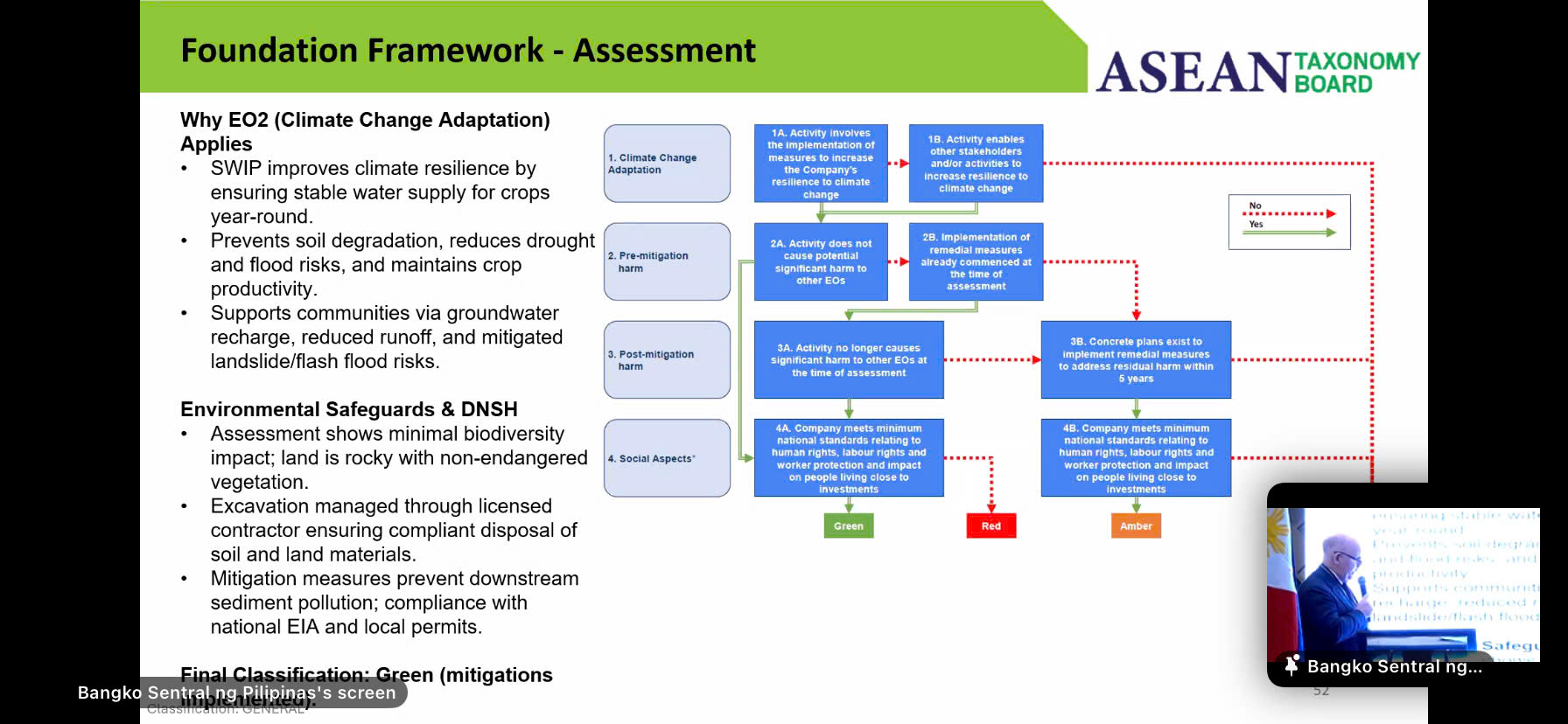
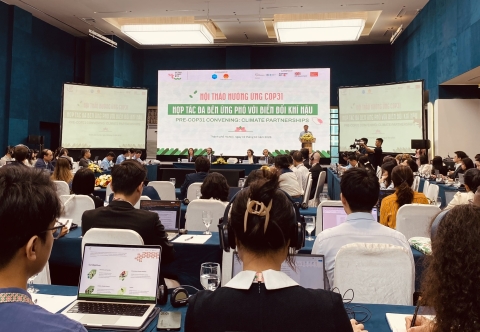
In a proactive effort to stay at the forefront of regional sustainable finance standards, representatives from KLINOVA attended and closely followed the in-depth discussion sessions at the Bohol conference. KLINOVA’s presence at the event was not only to grasp the implementation roadmap of Version 4 of the ASEAN Taxonomy but also to seize the opportunity to connect and exchange expertise with leading specialists and international financial institutions.
Participating in these specialized sessions has enabled KLINOVA to stay updated on the latest adaptation indicators. This knowledge enhances our consulting capabilities, allowing us to better support Vietnamese enterprises in developing transparent green transition roadmaps and gaining closer access to international capital markets.
- Minh Hung -


_cr_480x332.jpg)
_cr_480x332.png)