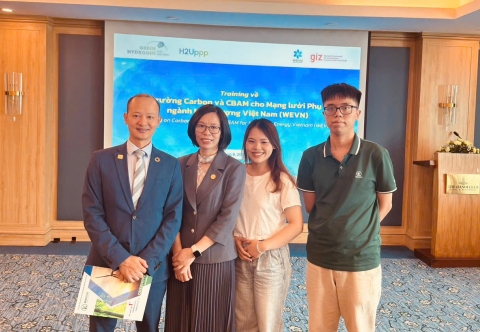
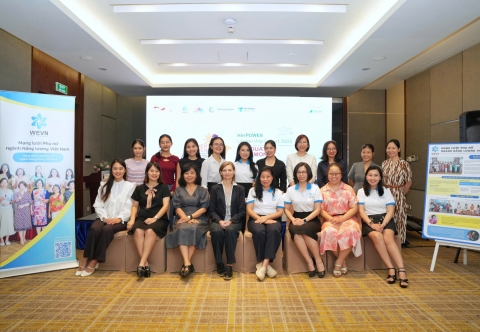
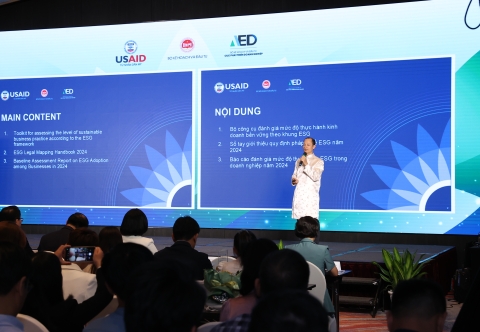
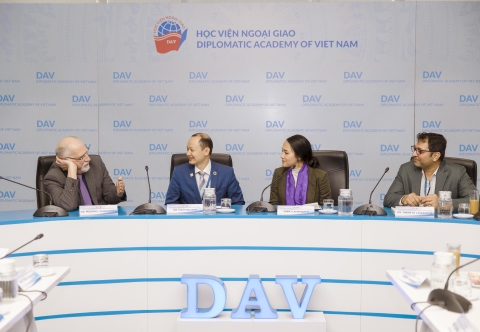
The event took place amid an accelerating global energy transition, while new-generation free trade agreements (FTAs) are increasingly integrating requirements related to environmental protection, sustainable development, and emissions reduction.
Discussions at the seminar highlighted that the relationship between energy and free trade is becoming more interconnected than ever. Clean energy, energy security, and the ability to comply with green standards are no longer purely domestic issues for individual countries; they have become key factors directly affecting competitiveness, market access, and the position of businesses within global value chains. In this context, FTAs are viewed not only as drivers of reform and channels for mobilizing resources for the energy transition, but also as frameworks that impose increasingly stringent requirements on technical standards, data transparency, and the effective implementation of commitments.

Alongside the opportunities, several presentations also pointed to significant challenges in implementation. The gap between policy commitments and on-the-ground execution remains a notable concern, particularly for enterprises in energy-intensive sectors. Meeting green standards, accessing technology and finance, and effectively leveraging FTA incentives continue to face multiple barriers, underscoring the need for stronger coordination among public policy, the private sector, and international cooperation.

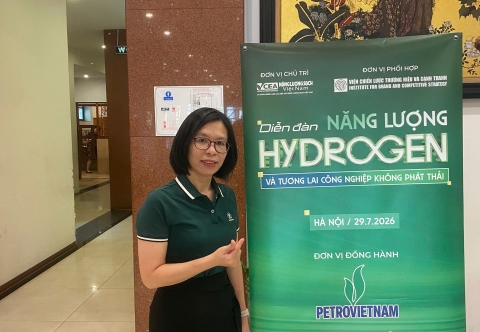
Attending the seminar in person, KLINOVA closely followed the policy discussions and expert perspectives on the increasingly close linkages between energy, free trade, and sustainability requirements. Participation in such policy dialogue forums provides KLINOVA with valuable opportunities to stay abreast of international policy trends and to anticipate potential impacts on Vietnamese businesses, especially as green standards and emissions reduction commitments are gradually becoming the new “rules of the game” in global trade. Building on this foundation, KLINOVA continues to strengthen its role as a bridge between policy and practice, translating international commitments and strategic orientations into research, advisory, and support solutions tailored to the conditions and sustainable transition needs of domestic enterprises.
- Huu Hoang -



_cr_480x332.JPG)