Bottlenecks and requirements in the pilot operation of Vietnam’s carbon market
Vietnam’s carbon market is entering its pilot operation phase, an important step toward gradually establishing trading mechanisms, expanding the range of participating entities, and creating a foundation for the market to operate substantively.
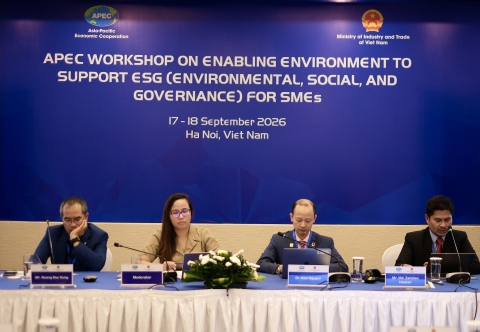
In an interview with Newspaper of Industry and Trade, Dr. Nam NGUYEN, General Director of KLINOVA Climate Innovation Consulting & Services Company, shared his perspectives on the current bottlenecks, the need to improve the mechanisms, and the opportunities available to businesses.
According to Dr. Nam NGUYEN, the legal foundation for the carbon market has basically been established, but regulations on trading methods, price determination, verification of emissions reduction results, and protection of the rights of participating parties still need to be further developed.
With 110 facilities allocated emissions quotas for the 2025 - 2026 period and 92 legal entities registered with HNX, the current market remains too small to generate substantial liquidity and frequent trading. In addition to buyers and sellers, the market needs the participation of intermediary, consulting, brokerage, and supporting service organizations to facilitate transactions, support pricing, and manage risks.
Another important issue is to clarify the mechanism that allows organizations and individuals owning carbon credits to participate in trading. Once the mechanism is improved, emissions reduction and green transition projects will have greater incentives, as emissions reduction results can become assets that generate economic value and can be traded.
Dr. Nam NGUYEN believes that it is not possible to expect the market to be fully developed from the outset. The pilot period should be used to encourage businesses and relevant stakeholders to participate early and test different models and trading methods within the legal framework.
To avoid missing opportunities, businesses need to proactively learn about and participate in the carbon market in practice. However, requirements related to emissions data, MRV, greenhouse gas inventories, measurement, and verification remain challenges for many businesses.
In particular, the process from project registration to generating eligible carbon credits can take 18 to 24 months, depending on the type of project and verification process. Therefore, standardizing data, strengthening internal capabilities, and engaging early with consulting, verification, and support service providers are important steps in preparation.
(Source: https://congthuong.vn/go-diem-nghen-tao-luc-day-cho-thi-truong-carbon-469264.html)



_cr_480x332.png)