As COP31 approaches in Antalya, Türkiye, from 9–20 November 2026, the global climate agenda is shifting towards the implementation of existing commitments. For Viet Nam, the conference presents an opportunity to strengthen international cooperation, mobilise climate finance, and advance climate-resilient development across agriculture, forestry, fisheries, and vulnerable regions.
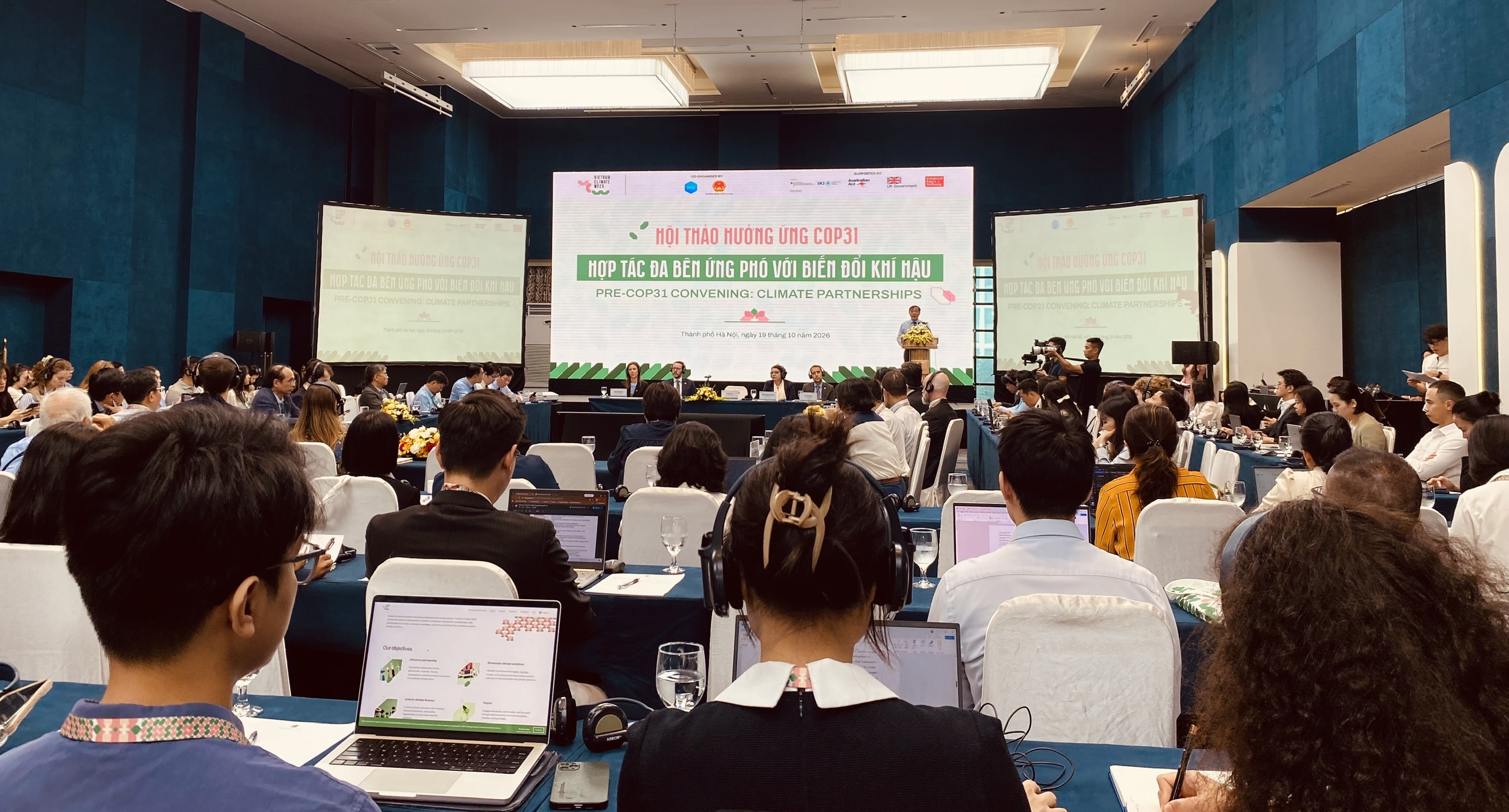
COP31: Turning global commitments into action
COP31 will take place in Antalya, Türkiye, from 9–20 November 2026. Türkiye will host the conference, while Australia’s Chris Bowen will serve as President of Negotiations. The conference is guided by the principles of dialogue, consensus, and action, with a focus on translating climate commitments into tangible progress. Rather than focusing solely on new global pledges, discussions will centre on delivering existing commitments through stronger financing mechanisms, emissions-reduction measures, and adaptation initiatives.
Key areas of focus include accelerating electrification, promoting circular resource use, reducing methane emissions, and strengthening urban resilience. Initiatives such as the proposed Sustainable Urban Resilience Financing Facility (SURFF) and the Climate Implementation Bridge are intended to help developing countries advance climate-resilient infrastructure and turn project proposals into investable initiatives.
However, implementation faces persistent challenges. Continued dependence on fossil fuels, disagreements over climate finance, and the lack of consensus on concrete pathways for phasing out fossil fuels remain significant obstacles. These issues underscore the importance of aligning national policies, international support, and investment with global climate objectives.
Viet Nam strengthens preparations and advances climate priorities
In the lead-up to COP31, Viet Nam has stepped up its international engagement on climate action. On 19 October 2026, the Ministry of Agriculture and Environment (MAE), in collaboration with the Netherlands Development Organisation (SNV), convened the workshop “Pre-COP31 Convening: Climate Partnerships” as part of Viet Nam Climate Week, held from 19–22 October.
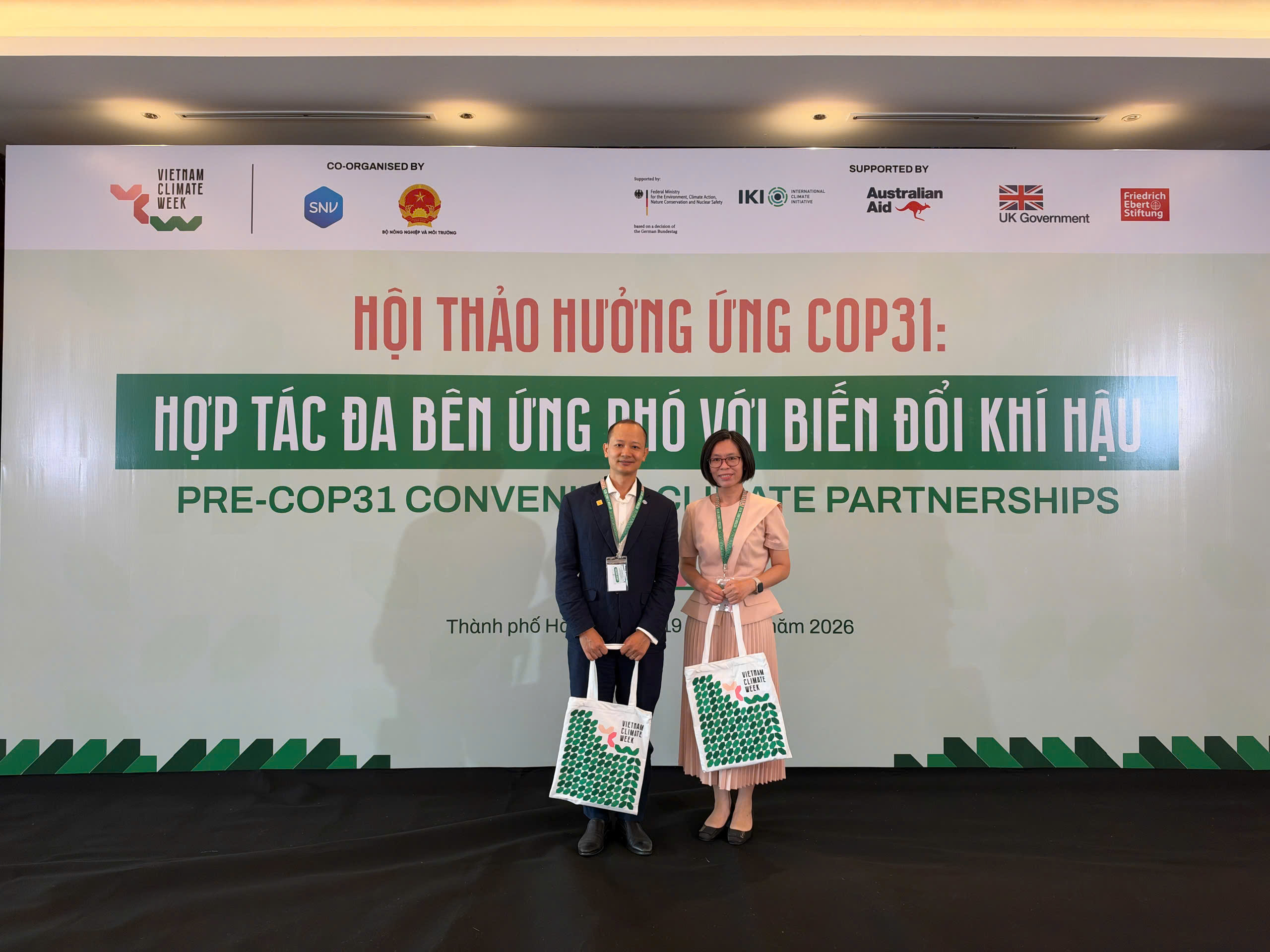
Viet Nam’s engagement ahead of COP31 centres on three priorities: accelerating the implementation of existing climate commitments, particularly in agriculture, forestry, and land use; mobilising international finance, technology, and capacity-building; and advancing the P-CRAFT initiative to support climate-resilient and responsible agriculture, forestry and fisheries value chains.
Under its updated 2022 Nationally Determined Contribution (NDC), Viet Nam committed to reducing greenhouse gas emissions by 15.8% by 2030 compared with its business-as-usual (BAU) scenario using domestic resources. With adequate international financial and technological support, alongside capacity-building, the reduction could reach 43.5%.
Viet Nam is expected to advocate for stronger international climate finance, including progress towards the global roadmap to mobilise US$1.3 trillion annually by 2035, a greater share of grant-based financing, and improved transparency in financial commitments. Other priorities include advancing the Just Transition Mechanism (JTM), establishing the Just Transition Technical Assistance Network (JTTAN), and implementing the Global Goal on Adaptation (GGA) in line with national circumstances.
The Viet Nam Pavilion at COP31 is expected to host 21 events, including an opening session, a closing session, 17 technical sessions, and two high-level sessions scheduled for 17 November. The programme is intended to bring together government representatives and international partners to exchange knowledge and strengthen cooperation on climate action.
At KLINOVA, we recognise that effective climate action depends on connecting international commitments with practical implementation, cross-sector collaboration, and sustainable development.
As COP31 approaches, stronger partnerships will be essential to turning climate ambition into lasting impacts.


_cr_480x332.JPG)

_cr_480x332.png)