As major cities in Viet Nam face increasing pressure from traffic congestion, air pollution, and the need to meet greenhouse gas emission reduction commitments, the electrification of popular transport has emerged as a key solution. Popular transport-particularly services such as motorcycle taxis, taxis, ride-hailing platforms, and buses-plays a critical role in meeting daily mobility needs and ensuring access to economic and social activities. At the same time, this segment is a major source of emissions, contributing significantly to urban air pollution and adverse public health impacts. In practice, the transition to electric vehicles continues to face substantial barriers, including high upfront investment costs, limited charging infrastructure, and gaps in existing financial and governance frameworks.
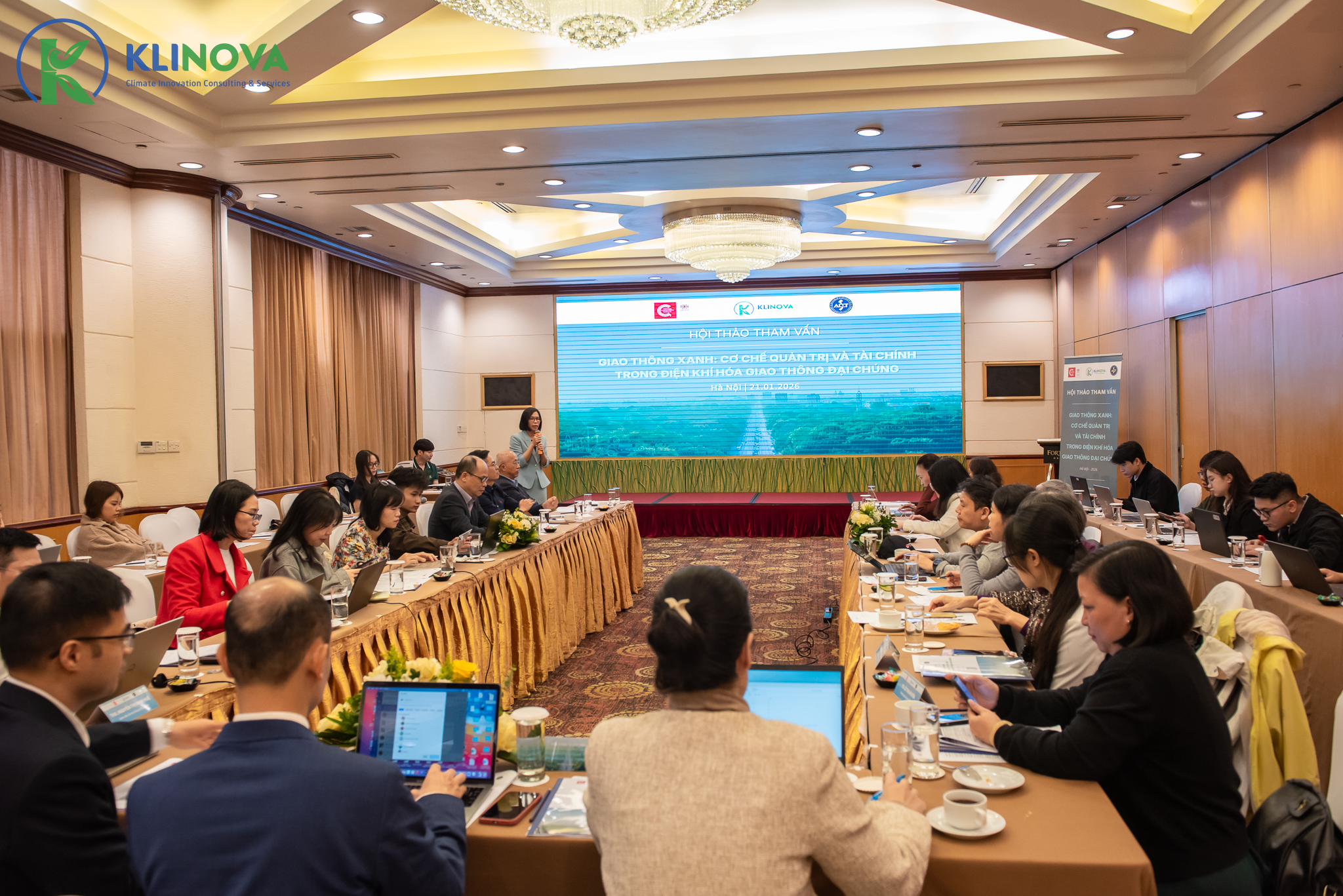
Against this scenario, the Consultation Workshop on “Green Transport: Governance and Financial Mechanisms for the Electrification of Popular Transport” was held on 21 January 2026 in Hanoi as part of the VK E-MOBI project. The workshop was co-organised by KLINOVA and the Academy Of Construction Strategy And Cadres Training in Vietnam (ACST), with funding support from the Climate Compatible Growth Fund (UKAid). The event brought together a wide range of participants from government agencies, research institutes, universities, financial and development organisations, as well as experts in transport, environment, and public policy.
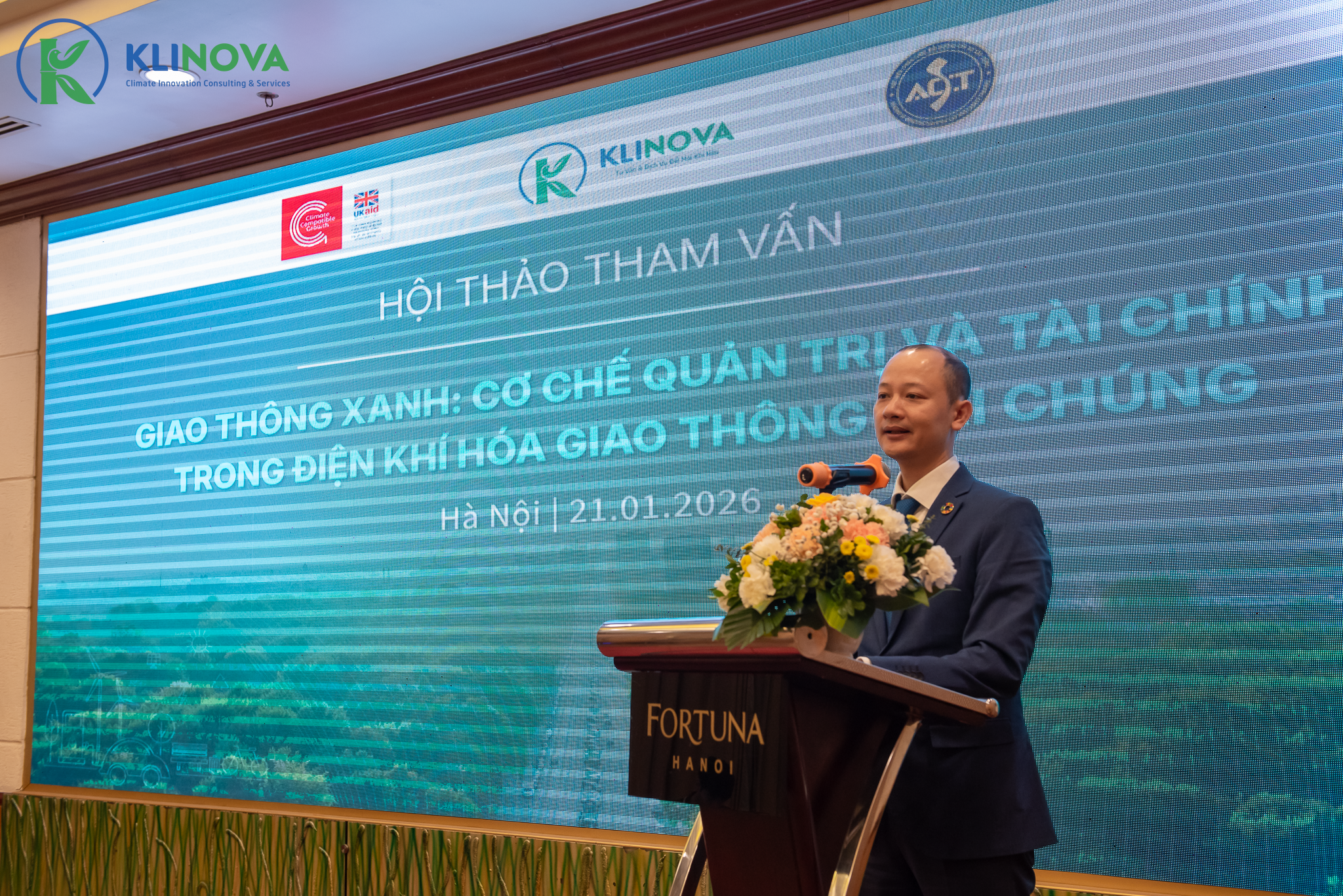
Dr. Nguyen Phuong Nam, CEO of KLINOVA, having opening speech in the workshop
The workshop served as a platform for academic exchange and policy dialogue, aiming to present preliminary research findings from the VK E-MOBI project and to collect feedback from stakeholders to refine policy recommendations on the electrification of popular transport in Viet Nam, drawing on comparative analysis between Viet Nam and Kenya. The workshop was attended by Dr. Nguyen Hoang Nam, National Coordinator of the Climate Compatible Growth (CCG) Network in Viet Nam, and Dr. Nguyen Phuong Nam, CEO of KLINOVA. Discussions highlighted the central role of the State in designing institutional frameworks, fostering inter-sectoral coordination, and establishing appropriate financial mechanisms to enable an effective, inclusive, and sustainable transition.
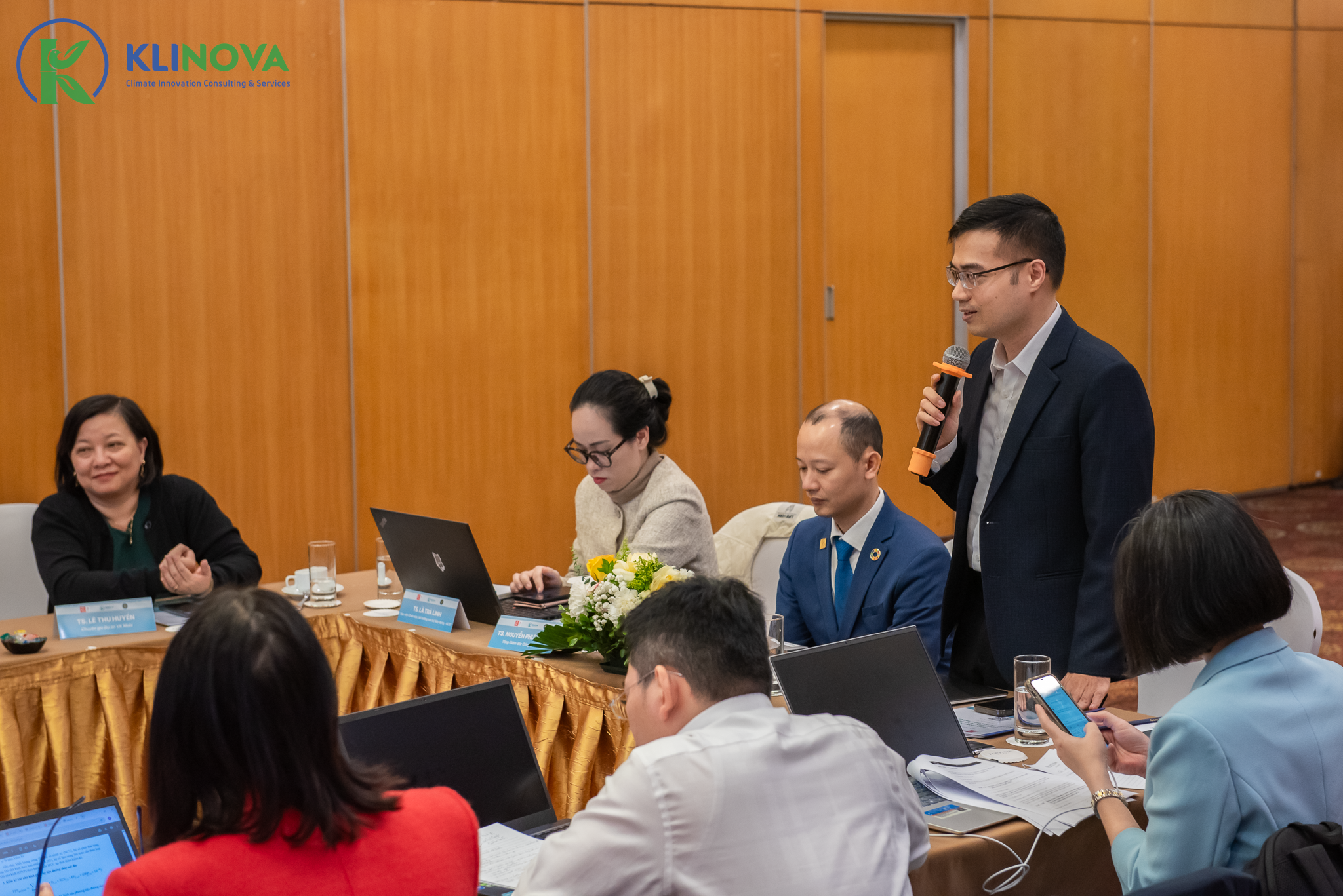
Dr. Nguyen Hoang Nam, National Coordinator of the Climate Compatible Growth (CCG) Network in Viet Nam
During the workshop, participants went through three thematic presentations addressing core aspects of the electrification of popular transport. The presentations examined the role of governance models in mobilising and allocating financial resources for the transition, highlighting differences between Viet Nam’s state-led, centralised governance approach and Kenya’s more decentralised, private-sector-driven model. Policy proposals for transitioning popular transport vehicles to electric power in Vietnamese cities were also presented, focusing on electrification roadmaps, financial incentive mechanisms, charging infrastructure development, and the integration of electrification into urban and transport planning. Another presentation shared lessons learned from motorcycle-dependent cities, emphasising that the electrification of popular transport can only succeed when implemented alongside integrated transport management policies and when it does not disrupt urban livelihoods.
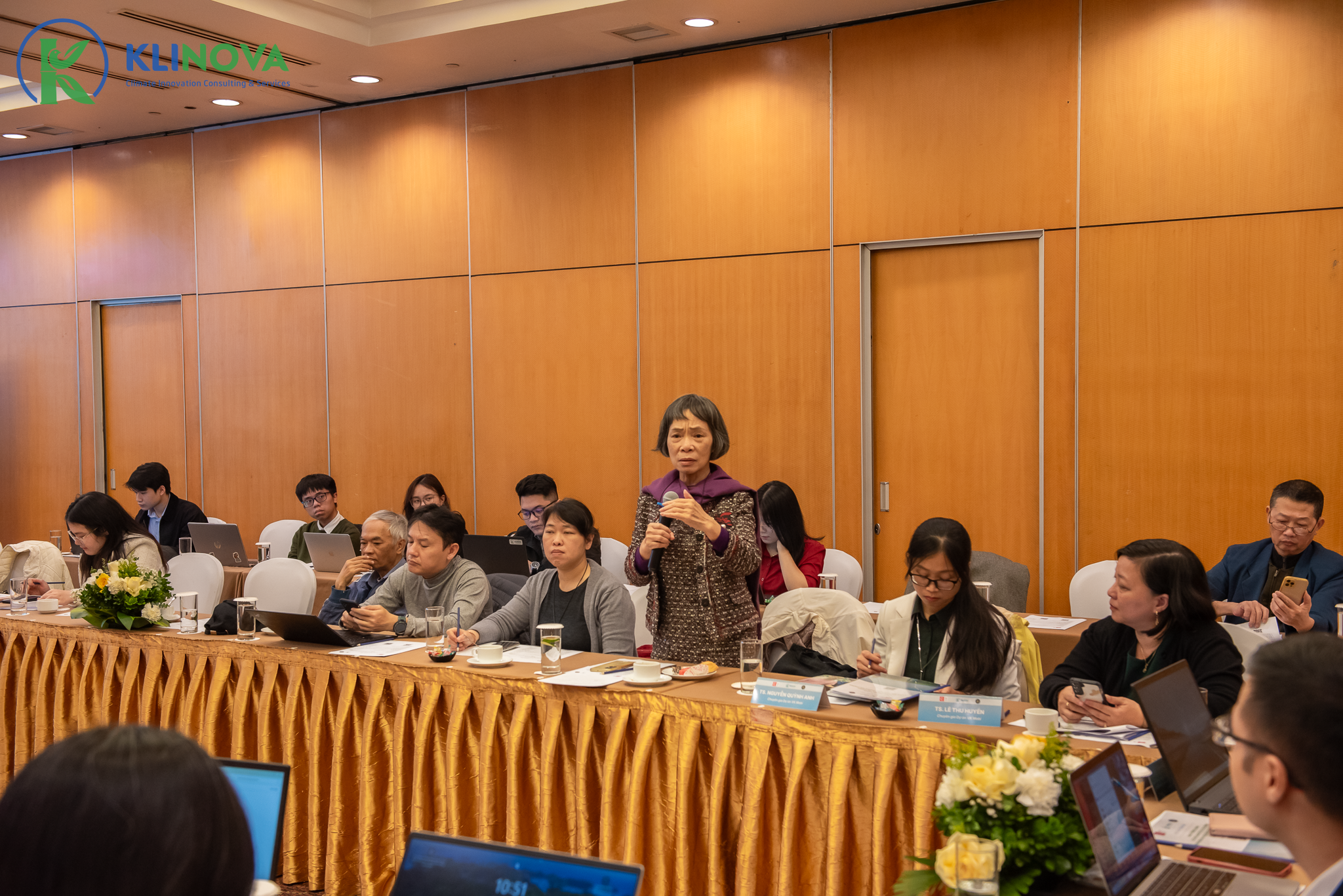
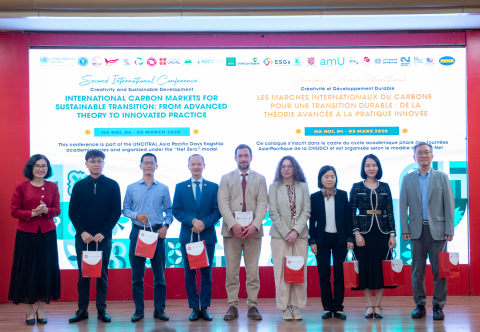
Multiple quality initiatives were given out during the discussion session
The discussion session was lively and substantive, with participants engaging in open exchanges and proposing innovative ideas. Many stressed the importance of integrating electric vehicle charging infrastructure into urban and transport planning from the outset, ensuring appropriate spatial allocation and accessibility for users. The application of technology, particularly AI-powered camera systems, for detecting and managing high-emission vehicles was also highlighted as a promising solution to support the transition towards electric mobility in Hanoi and Ho Chi Minh City, especially in the context of implementing low-emission zones (LEZ). Participants further shared perspectives from international case studies, notably from Belgium and the United Kingdom, which underscored the critical role of government subsidies, risk-sharing mechanisms, and targeted financial support in stimulating market uptake and enabling successful electrification projects.
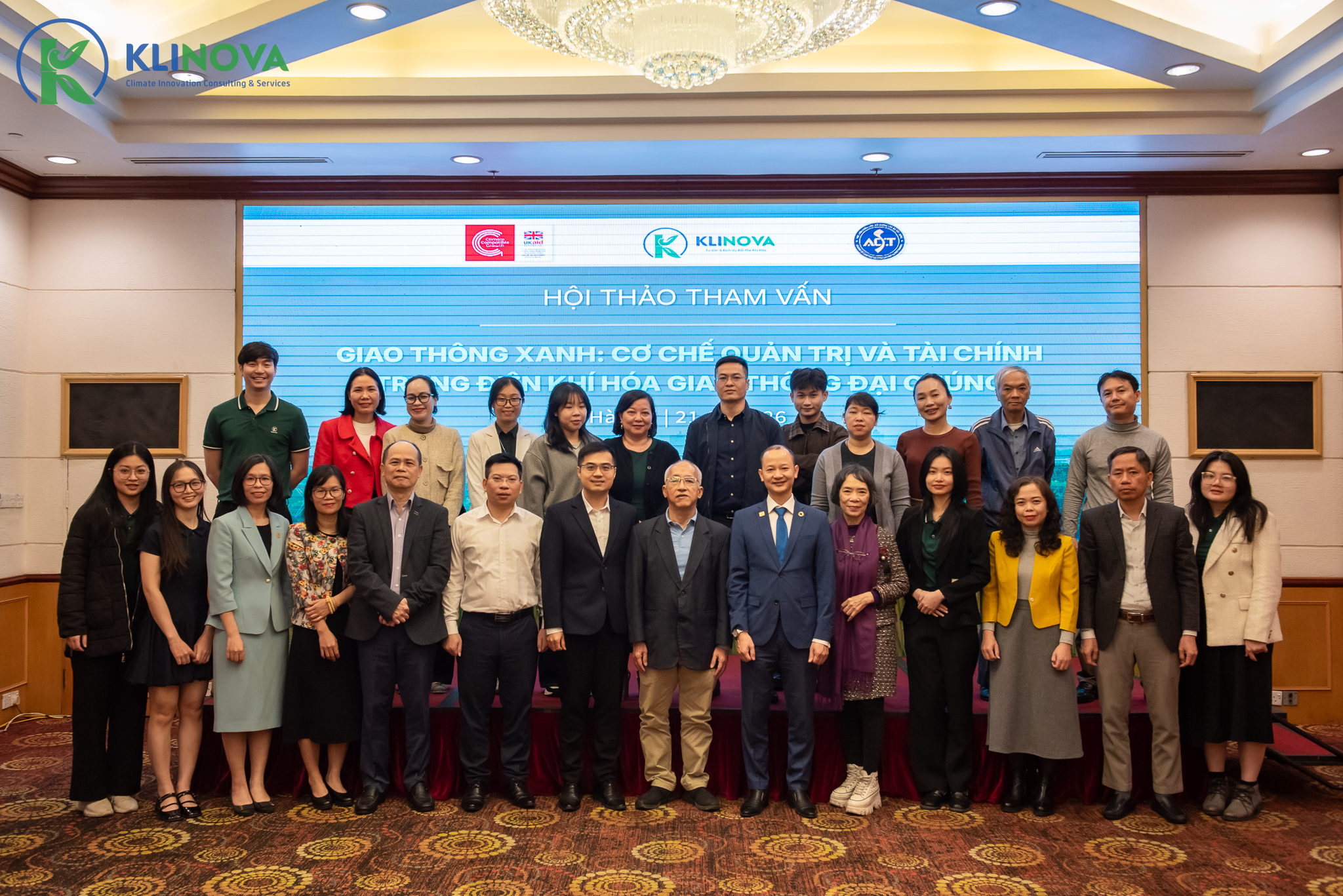
The consultation workshop contributed to clarifying both the challenges and opportunities associated with the electrification of popular transport in Viet Nam, while reaffirming the pivotal importance of appropriate governance and financial mechanisms. The inputs and recommendations gathered during the workshop will serve as an important foundation for the VK E-MOBI project to further refine its policy proposals, with the ultimate aim of supporting the development of a low-emission, inclusive, and sustainable urban transport system in Viet Nam.
- Huu Hoang -


_cr_480x332.jpg)

_cr_480x332.JPG)