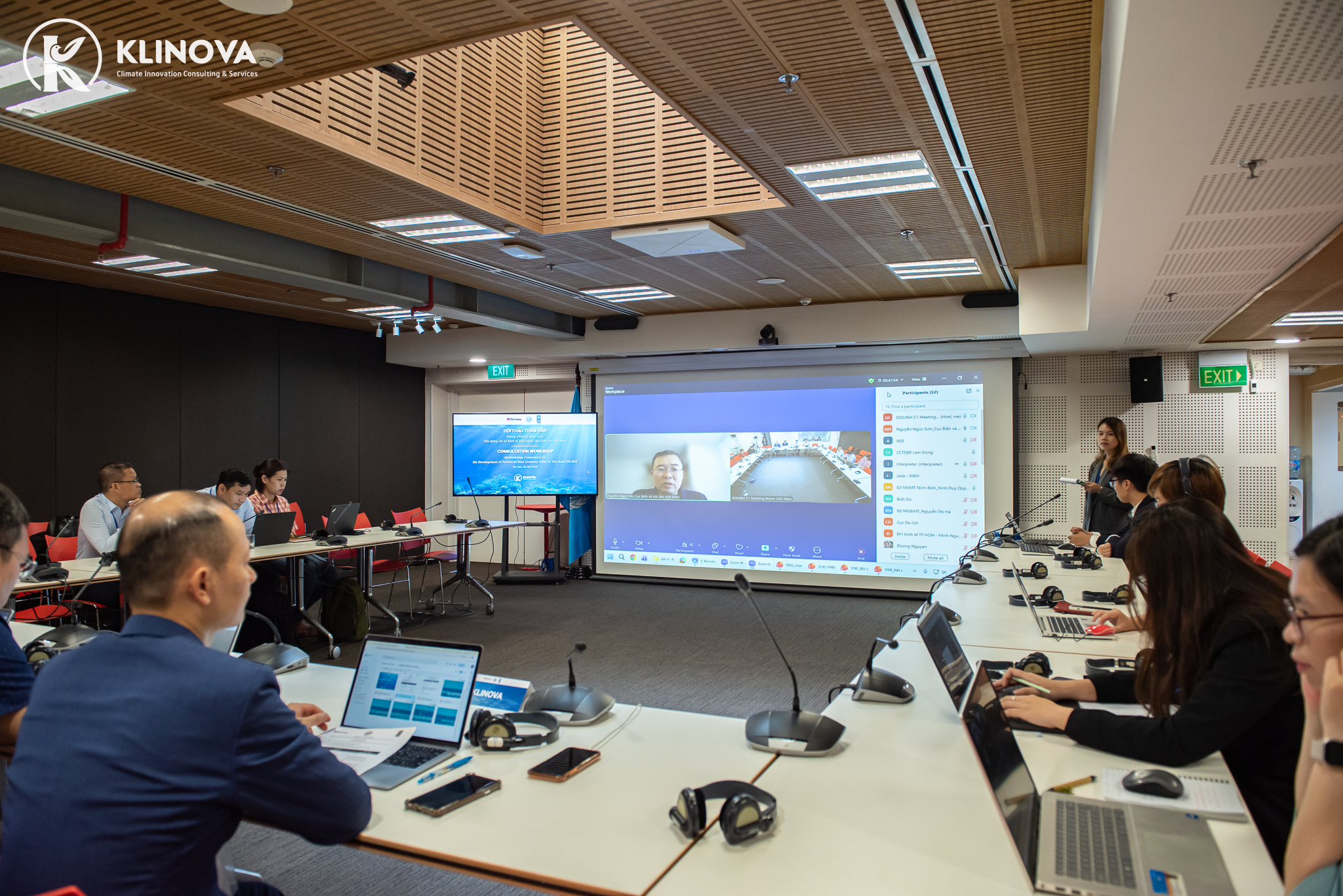
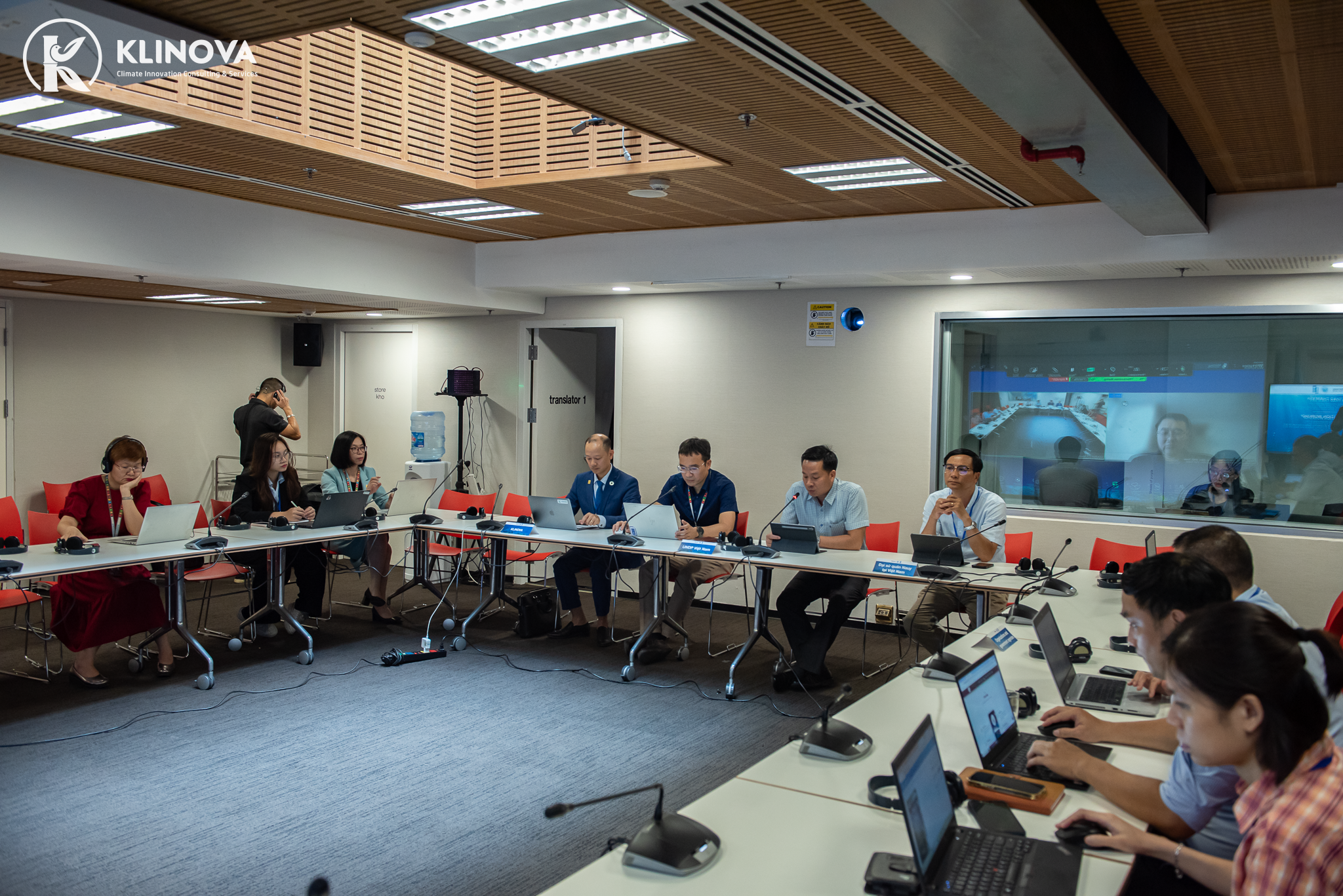
On 2 June 2026 in Hanoi, experts, policymakers, and development partners gathered at the Green One UN House for a consultation workshop on the development of the Vietnam Provincial Blue Economy Index (VN-BEI).
The event brought together representatives from government agencies, research institutions, international organisations, and technical experts to discuss a quantitative framework for monitoring the implementation of Resolution 36-NQ/TW on the sustainable development of Vietnam’s marine economy.
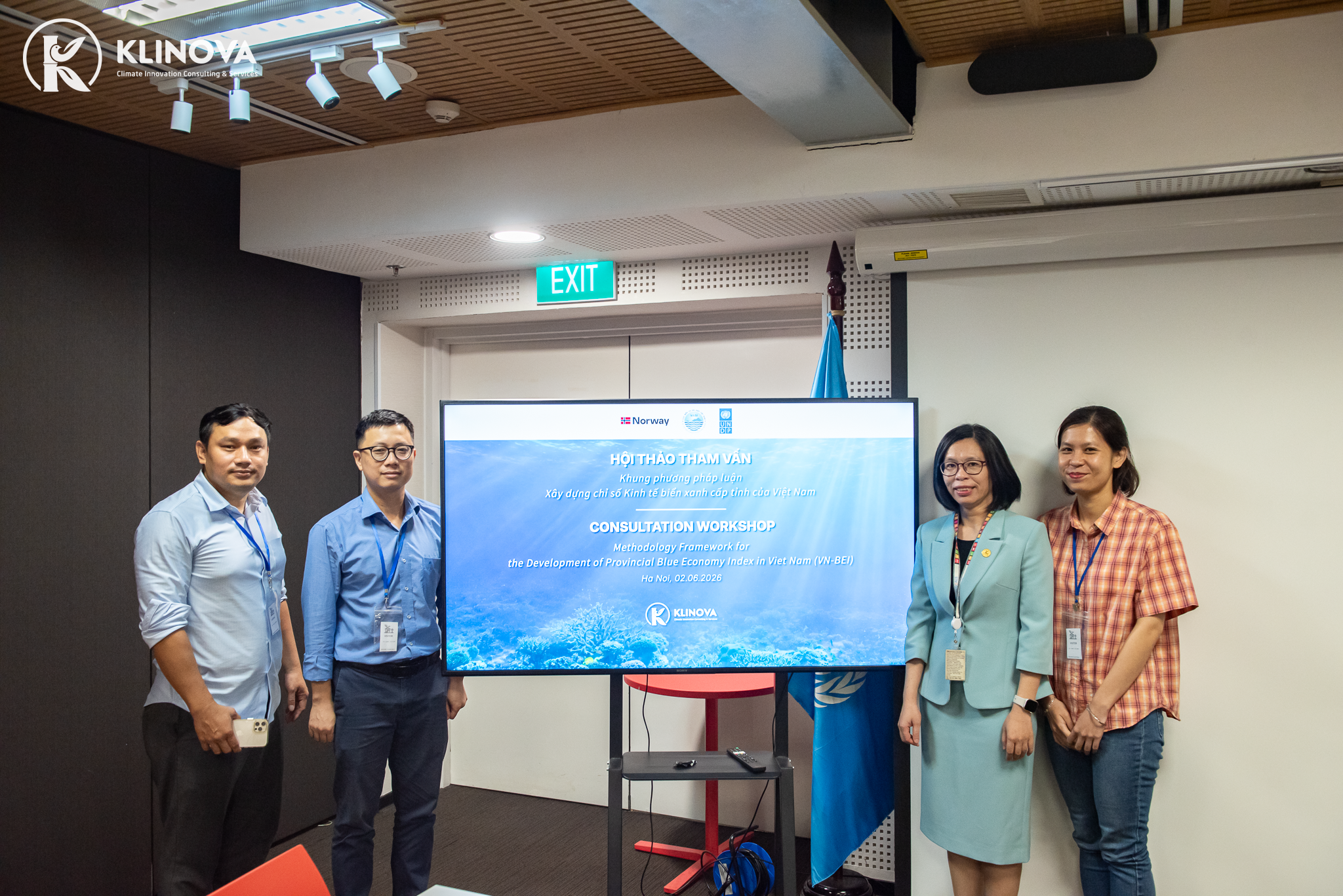
The workshop provided an important platform for stakeholders to exchange perspectives on how a data-driven monitoring system can support local governments in advancing Vietnam’s blue economy objectives.
With 21 coastal provinces (28/63 provinces before merger) contributing approximately 70% of Vietnam’s GDP, the development of an effective monitoring framework has become increasingly important. During the consultation, KLINOVA's experts highlighted that while Vietnam possesses significant marine economic potential, many local authorities still lack clear and measurable criteria to assess their contribution to national blue economy targets. The challenge is further complicated by the country’s diverse coastal characteristics, ranging from deep-sea ports and industrial zones to coral reef ecosystems and aquaculture regions. In addition, the recent transition from a three-tier to a two-tier administrative structure has created limitations in the availability of district and commune-level statistical data.
To address these challenges, the proposed VN-BEI framework adopts a comprehensive approach based on four interconnected pillars: Economic, Social, Environmental, and Governance. The Economic pillar focuses on six priority sectors, including fisheries, oil and gas, maritime transport, marine tourism, offshore renewable energy, and environmental services. The Social pillar seeks to promote inclusive development and sustainable livelihoods for coastal communities. The Environmental pillar emphasises biodiversity conservation, coral reef protection, and marine plastic waste reduction, while the Governance pillar evaluates the effectiveness of local authorities in implementing marine spatial planning and policy commitments.
A key feature of the VN-BEI methodology is its emphasis on transparency and balanced development. Dr. Nguyen Phong and KLINOVA's research team applies a Min-Max normalisation method to standardise indicators on a scale from 0 to 1 and uses a geometric mean for aggregation. This approach prevents provinces from offsetting poor performance in one pillar with strong results in another. As a result, weaknesses in environmental protection, social inclusion, or governance are clearly reflected in the overall score, helping policymakers identify priority areas for intervention.
The VN-BEI is expected to create value for multiple stakeholder groups. For provincial governments, the index serves as a practical tool for evaluating progress and identifying strategic opportunities without compromising environmental sustainability. For the private sector, the framework enhances transparency and provides clearer signals regarding local development priorities, supporting long-term investment decisions, including green finance and blue economy initiatives. For international development partners, the index can strengthen monitoring, evaluation, and resource allocation processes.
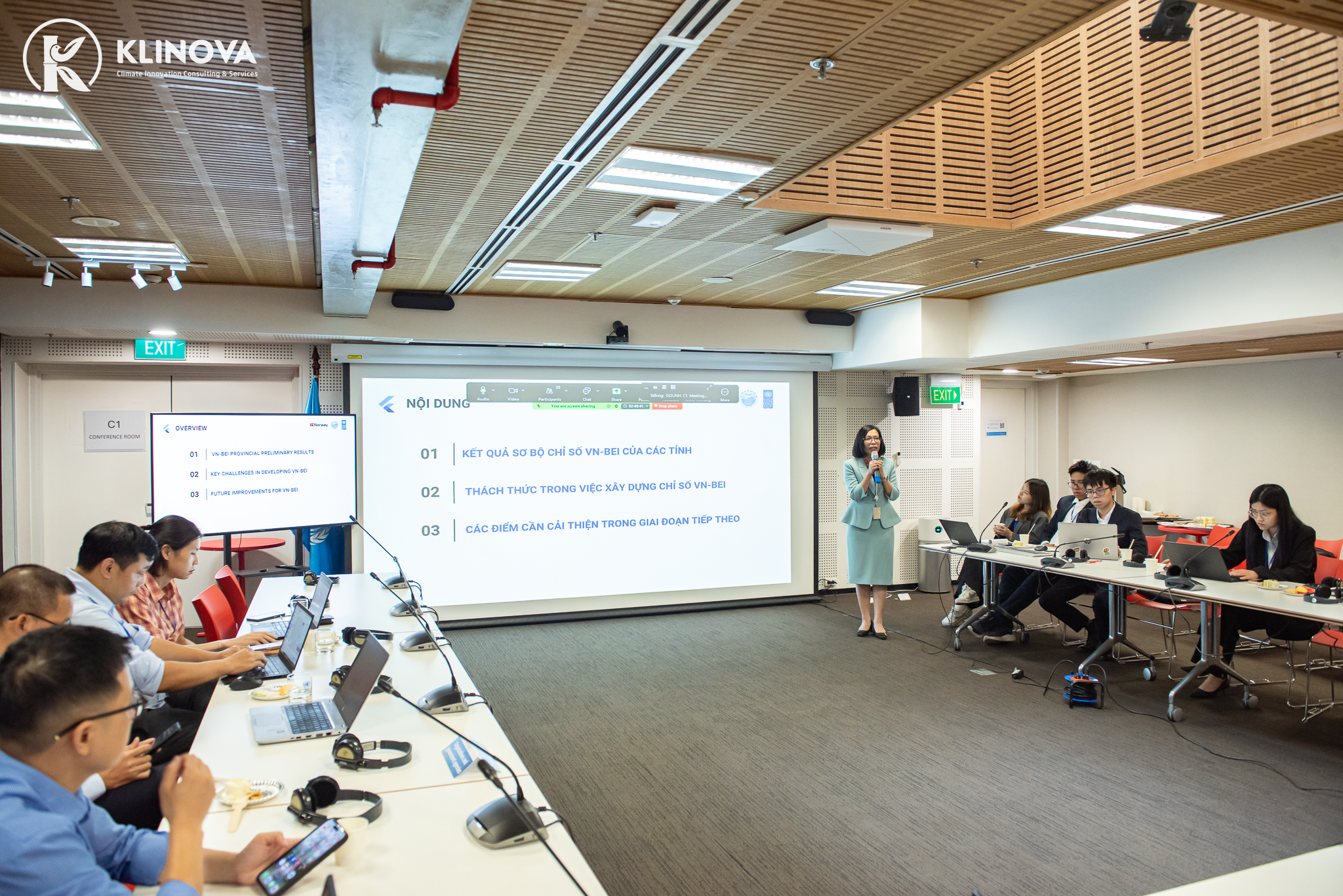
According to Ms. Nguyen Thi Minh Hue, KLINOVA's Project Director, preliminary assessments across the 21 coastal provinces indicate average scores ranging from 0.4 to 0.6, suggesting substantial opportunities for improvement. Initial findings highlight strong governance performance in Quang Ninh and Hai Phong, while Ca Mau demonstrates notable strengths in economic development linked to renewable energy and ecosystem services.
As Vietnam advances its Sustainable Marine Economic Development Strategy and pursues long-term climate and development goals, the VN-BEI framework has the potential to become an important decision-making tool. By strengthening evidence-based planning and promoting balanced growth across economic, social, environmental, and governance dimensions, the framework is expected to contribute to the vision of a prosperous, resilient, and sustainable maritime economy by 2045.




_cr_480x332.jpg)


_cr_480x332.JPG)