The webinar featured two speakers representing KLINOVA and Zeroboard, bringing complementary perspectives on GHG inventory expertise, regulatory compliance, and technology adoption.
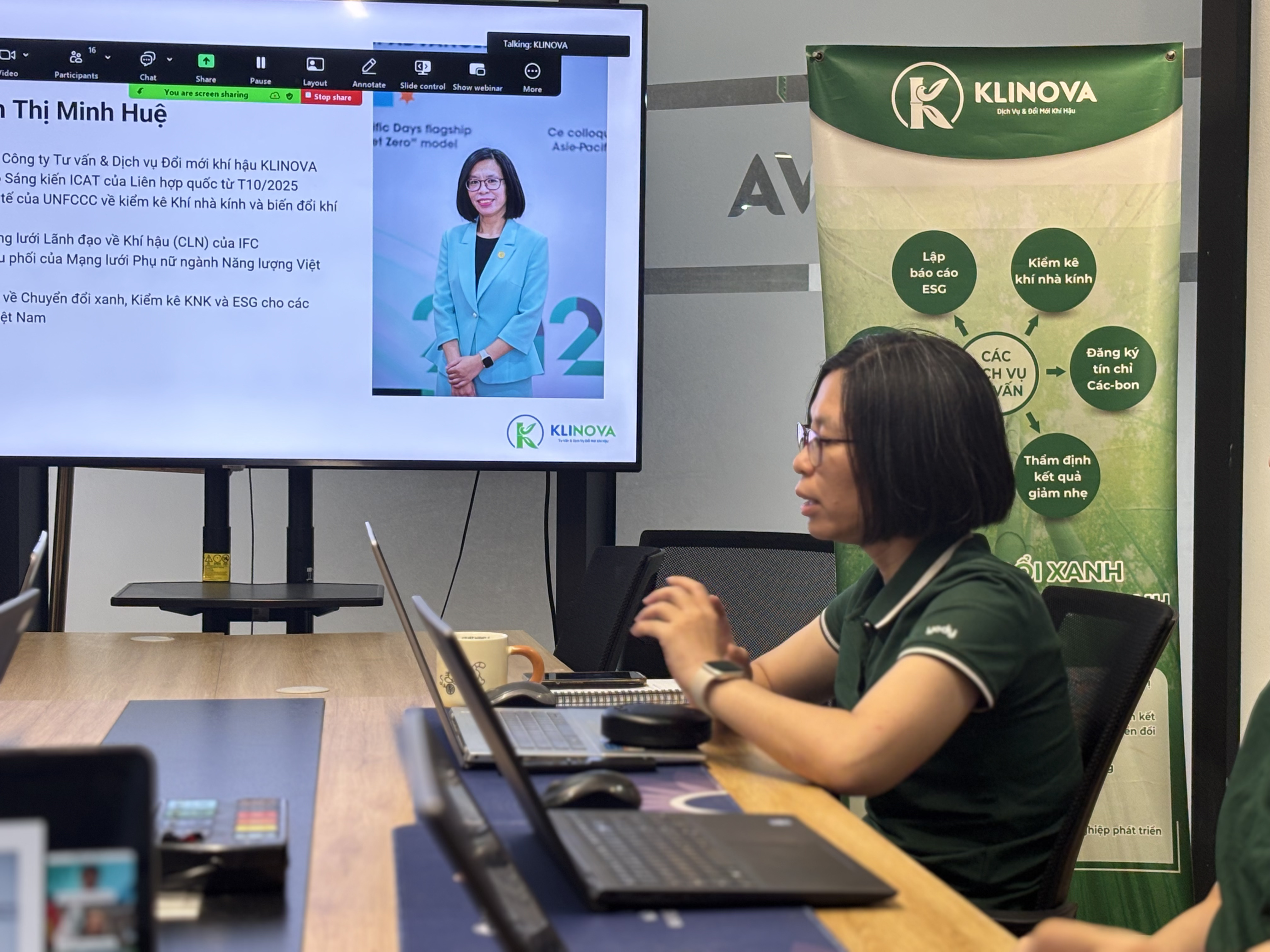
MSc. Nguyễn Thị Minh Huệ – Project Director and UNFCCC GHG Inventory Expert at KLINOVA shared her professional insights into GHG inventories, compliance requirements, and implementation approaches for businesses.
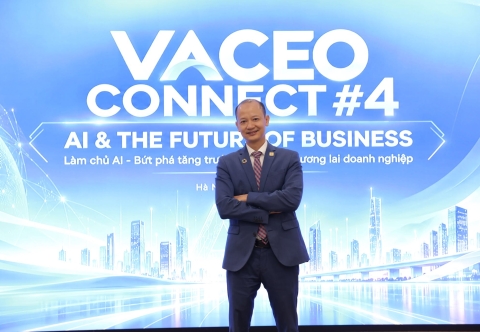
MSc. Phạm Gia Huy – Lead at Zeroboard presented perspectives on applying technology to carbon and ESG management. He previously worked at KPMG AZSA Sustainability in Japan and holds a Master’s degree in Environmental Management from Kyoto University.
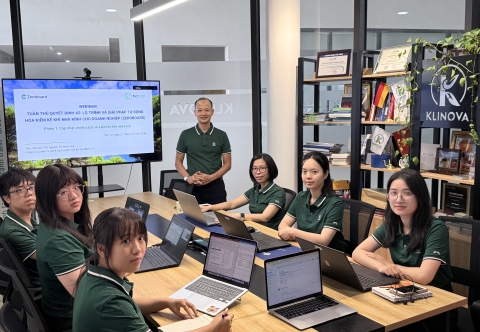
One of the webinar’s key topics was Decision No. 42/2026/QĐ-TTg, which specifies the list of sectors and facilities required to conduct greenhouse gas (GHG) inventories and took effect on September 25, 2026.
According to the information presented during the webinar, the updated list covers 2,441 facilities subject to mandatory GHG inventories, an increase of 275 facilities compared with the previous list under Decision No. 13/2024/QĐ-TTg.
These changes require businesses to proactively review their operations against the updated list, determine the scope of their relevant obligations, and develop appropriate implementation plans. For facilities no longer included in the updated list, reviewing the applicable regulations concerning facility-level GHG inventory reporting obligations from 2027 onward is also an important consideration.
The GHG inventory process involves more than simply compiling energy consumption or production activity data. Businesses must also collect data from multiple sources, standardize information, determine the parameters required for calculations, ensure data consistency, and compile results in accordance with reporting requirements.
The presentation focused on three key areas:
1. Standardizing activity data: Organizing and managing input data through consistent processes to facilitate information compilation and review.
2. Automating emissions calculations: Applying technology to support data processing and GHG emissions calculations, thereby reducing manual operations throughout the process.
3. Supporting report compilation and export: Exploring the process of importing sample data and exporting reports using the ZB software, with the aim of simplifying information processing for GHG inventories.
To achieve these benefits, businesses must still ensure that input data is appropriate, calculation methodologies comply with applicable regulations, and designated personnel are responsible for reviewing and validating the results.
Through this program, KLINOVA and Zeroboard aim to help businesses take a more practical approach to GHG inventory requirements, from identifying compliance obligations to organizing data and applying technology to reporting processes.
As emissions management requirements continue to receive greater attention, GHG inventories can serve not only as a compliance obligation but also as a data foundation for carbon management, emissions source identification, and the development of emissions reduction strategies aligned with business operations.

KLINOVA is pleased to accompany businesses in navigating sustainability requirements through professional consulting and support in implementing solutions related to GHG inventories, carbon management, and ESG.





_cr_480x332.png)