TOWARDS COP31: UNFCCC ADVANCES CLIMATE TRANSPARENCY AND SHAPES THE FUTURE OF GLOBAL GREEN TRADE
11:07 | 04/11/2026
Ahead of the 31st meeting of the Conference of the Parties (COP31), the Global CB4N Webinar Series, organised by the Secretariat of the United Nations Framework Convention on Climate Change (UNFCCC), has outlined key priorities for 2026-2030. These focus on strengthening climate transparency, advancing carbon markets, promoting green trade, and ensuring a just transition.
Key Priorities in the Global Climate Action Agenda
UNFCCC's priorities reflect a broader shift from setting climate commitments towards accelerating their implementation and monitoring. Four key areas stand out:
Strengthening the Enhanced Transparency Framework (ETF): Promoting Biennial Transparency Reports (BTRs) and developing the Climate Data Hub in collaboration with Microsoft and EY to improve access to and management of emissions data.
Advancing Carbon Markets: Refining the mechanisms under Articles 6.2 and 6.4 of the Paris Agreement to promote transparent, high-integrity carbon markets and international cooperation.
Connecting Trade and Climate Action: Working with the WTO, UNCTAD, and ITC to advance green trade while addressing the risk of unfair trade barriers for developing countries.
Promoting a Just Transition: Strengthening the Just Transition Work Programme (JTWP), with a focus on capacity-building, technology transfer, and workforce development.
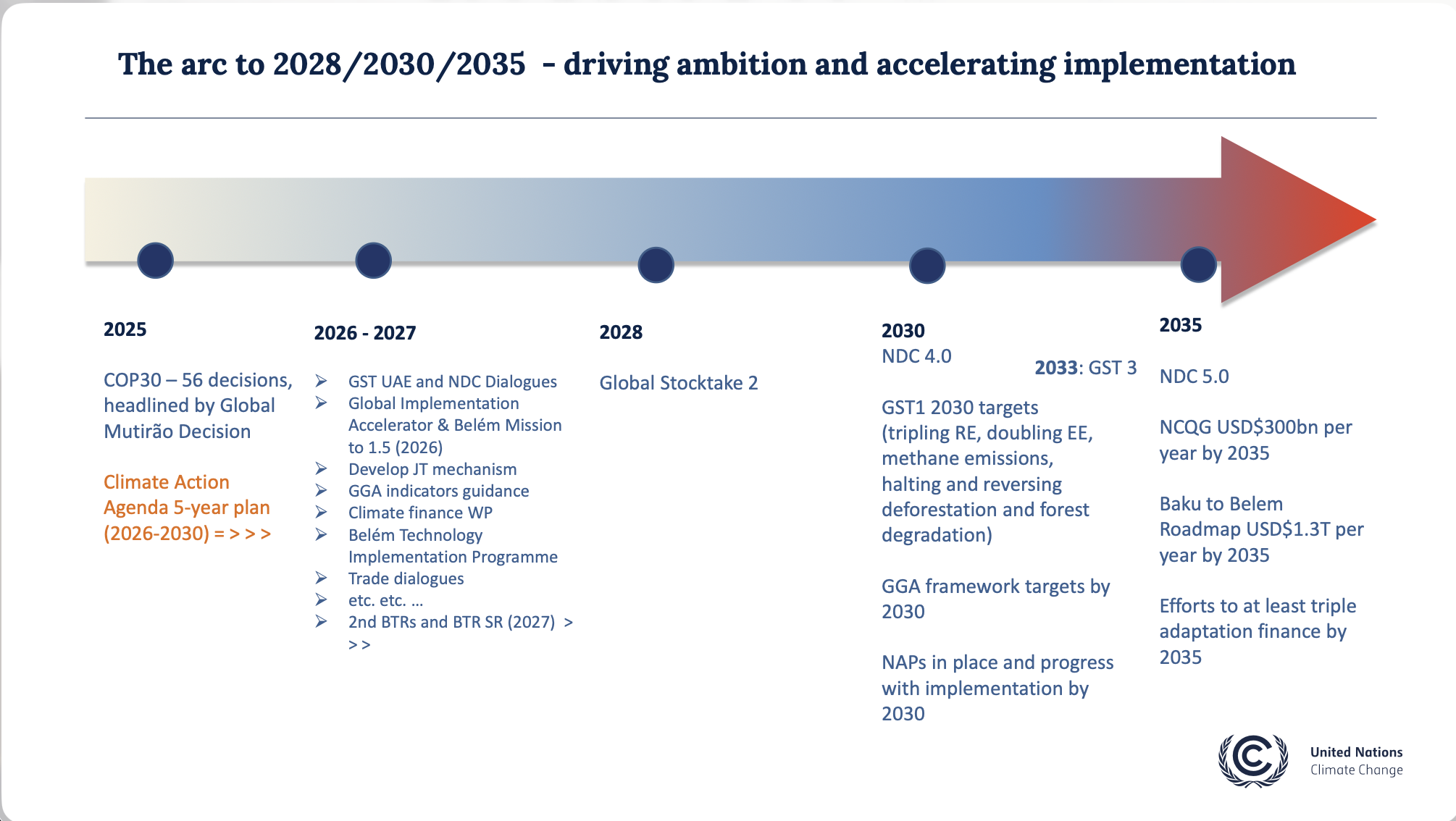
Global climate action roadmap for 2025–2035 - Credit: UNFCCC
KLINOVA's Perspective: Emissions Transparency as a Foundation for Green Competitiveness
KLINOVA recognises that emissions transparency is becoming an increasingly important requirement for businesses participating in global supply chains. Measuring and managing Scope 1, 2, and 3 emissions in alignment with standards such as ISO 14064 is no longer solely about compliance; it also enables businesses to demonstrate their environmental performance to international partners.
In response to these developments, Vietnamese businesses should prioritise two key actions:
Standardising emissions data: Establishing transparent and consistent GHG inventory systems that are ready for independent verification.
Strengthening internal capabilities: Equipping operational teams, HSE personnel, and management with practical ESG and emissions management knowledge.
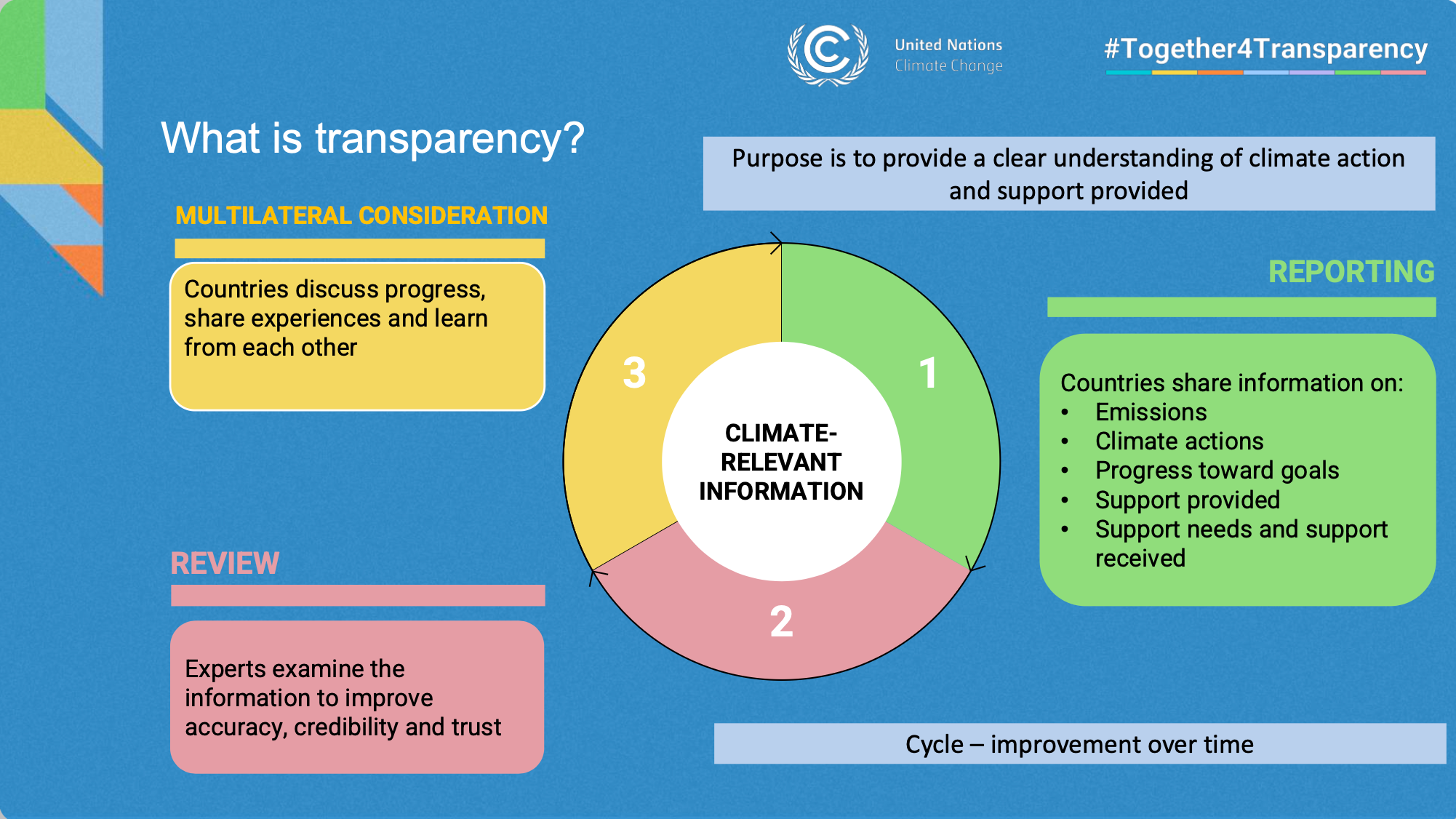
UNFCCC's climate transparency cycle comprises three pillars – reporting, technical review, and multilateral consideration - Credit: UNFCCC
Through GHG Inventory Consulting and Green Transformation Training Programmes, KLINOVA supports Vietnamese businesses in strengthening environmental management, meeting international standards, and turning emissions transparency into a source of sustainable competitive advantage.



_cr_480x332.png)
_cr_480x332.JPG)